
Increase Efficiency in Your Furniture Workshop with the HP-19 Portable Air Conditioner
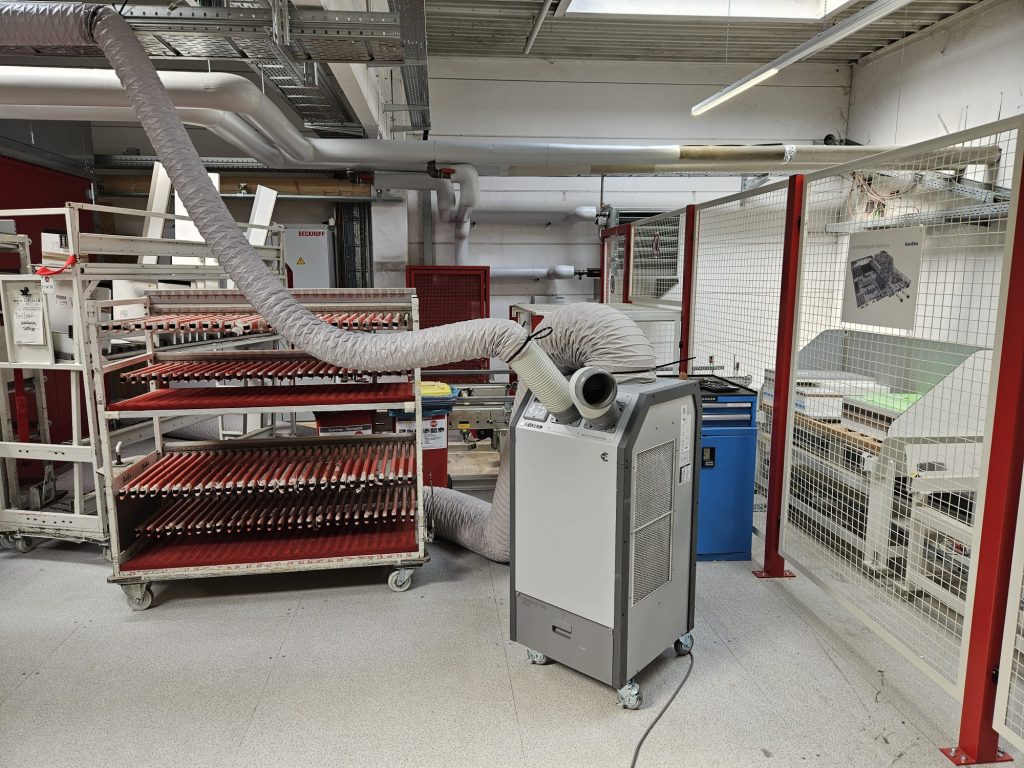
Maintaining optimal working conditions in furniture production workshops across the EU is essential for workplace efficiency, employee well-being, and equipment performance. Heat buildup, airborne dust, chemical fumes, and poor ventilation are common challenges caused by machinery operation, sanding, cutting, and surface finishing processes. The HP-19 portable air conditioner from Rex Nordic offers a practical solution without requiring permanent installation or complex ductwork. Common challenges in furniture manufacturing Workshops in the furniture industry often face elevated temperatures, sawdust, and emissions from adhesives and finishing products. These environmental factors can affect both health and productivity: Machinery Overheating: High heat and dust can damage equipment and lead to unplanned downtime. Employee Fatigue: Hot and poorly ventilated spaces reduce concentration and increase accident risk. Poor Indoor Air Quality: Dust particles and chemical vapours pose respiratory and safety hazards. HP-19 – A Ductless Portable Air Conditioner for Industrial Use The HP-19 is designed for demanding industrial environments. As a ductless air conditioner, it is suitable for cooling large production areas or targeting specific workstations, depending on your needs. Cooling and air purification combined The HP-19 can reduce indoor temperatures by up to 15°C while filtering dust and chemical contaminants from the air: General Cooling: Efficiently cools areas up to 550 m³. Spot Cooling: A 10-meter hose allows precision airflow to problem zones. Air Purification: Removes dust and fumes to improve workplace air quality. Compact and easily movable Thanks to its compact design, the HP-19 can be easily relocated within the workspace. It cools only where necessary, helping to conserve energy. Energy-efficient and environmentally conscius The HP-19 combines strong performance with low energy consumption. It uses refrigerants with low Global Warming Potential (GWP), contributing to sustainability goals in European industries: Low Energy Consumption: Reduces energy bills and operating costs. Eco-Friendly Refrigerant: Minimises environmental impact. No Installation Required: Ready to use without permanent setup. A Safer, Healthier Work Environment The HP-19 supports better working conditions by improving air quality and lowering risks linked to heat, dust, and chemical exposure: Cleaner Air: Reduces humidity, airborne particles, and chemical vapours. Quick Start and Easy Operation User-friendly and intuitive, the HP-19 is ideal for busy workshops that need a mobile solution: Simple Controls: Responds quickly to changing temperature needs. Plug-and-Play: Operates instantly with no setup delays. A Smart Choice for Furniture Workshops in Europe Thanks to its effective cooling, air filtration, portability, and energy efficiency, the HP-19 is one of the best portable air conditioners available for furniture production workshops in Europe. Whether you deal with wood dust or chemicals, this unit creates a safer, more comfortable, and productive environment. Discover how the HP-19 portable air conditioner from Rex Nordic can support your workspace and improve working conditions today.
Keep your machinery cool and precise with Rex Nordic HP units
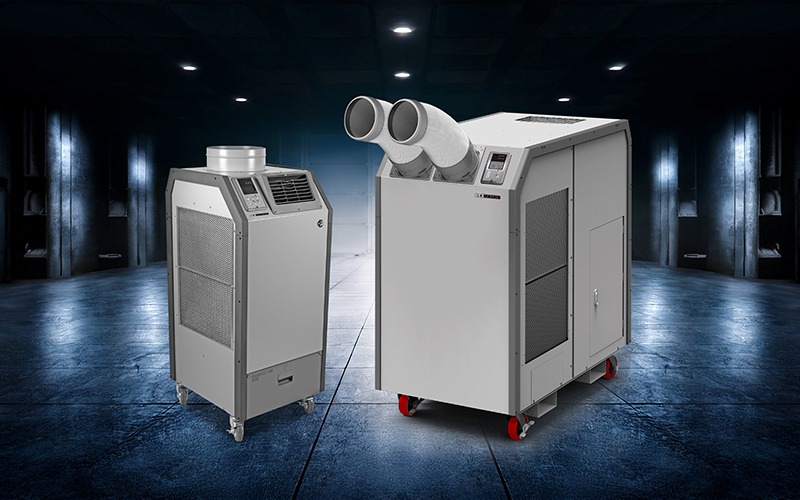
In this article: How heat affects precision machinery and compressors Why spot cooling is critical for uptime and performance Key features of the Rex Nordic HP-19 and HP-60 units The benefits of mobility, energy efficiency, and air quality control What can go wrong without proper cooling How spot cooling works: the technical edge In modern industrial environments, where precision and reliability are essential, the ability to manage heat around equipment is vital. From compressor rooms to CNC machines, controlling thermal loads ensures not only operational continuity but also product quality and component longevity. Industrial machinery, especially those operating within tight tolerance parameters, requires stable thermal conditions to avoid performance degradation. The Rex Nordic HP-19 and HP-60 air conditioners offer a dependable solution to these challenges with powerful industrial spot cooling. What can go wrong without proper cooling? Inadequate cooling in industrial environments can have a cascade of negative effects: Overheating can trigger system shutdowns or damage sensitive motors and drives. Expansion from thermal stress can misalign spindles or deform components. Increased wear on tools reduces service life and machining accuracy. Production rejects rise due to dimensional inconsistencies in workpieces. Uncontrolled humidity can lead to corrosion or condensation-related malfunctions. These risks underline why investing in a robust, portable cooling system is a preventive measure that pays off in equipment protection and production quality. Precision cooling for critical components Modern manufacturing demands tight tolerances, often in the micrometer range. Even minor heat fluctuations in motors, spindles, or tool housings can lead to expansion or contraction that compromises performance. The Rex Nordic HP-19 and HP-60 units deliver targeted spot cooling directly to heat-sensitive machinery components, helping to prevent thermal drift and ensuring dimensional stability during operation. This machinery overheating prevention is particularly beneficial in confined compressor rooms, where heat generated from constant operation can quickly accumulate. By directing cool air precisely to overheating zones, these units prevent costly downtimes and extend equipment lifespan. Designed for demanding industrial conditions With capacities of 5.6 kW and 17.5 kW respectively, the HP-19 and HP-60 support air volumes up to 2117 m³/h. This level of cooling is indispensable for precision machinery where excessive heat can lead to axial expansion, spindle misalignment, or reduced cutting accuracy. They also manage humidity effectively, which is critical in preventing condensation that can impact electronic controls and sensitive components. The ability to remove up to 197 liters of moisture per day makes them suitable even for moisture-intensive industrial zones. How spot cooling works Spot cooling is a technique that focuses cooled air precisely at heat sources such as motors, compressors, or CNC spindles, instead of cooling the entire space. This is done using ducted airflow, which minimizes energy use while maximizing temperature control at critical points. It is especially effective in industrial environments where localized overheating affects only part of the system. Rex Nordic units can be ducted and repositioned as needed, giving operators flexibility to adapt to layout or equipment changes. Adaptable and portable for evolving industrial needs As production setups shift and expand, so do cooling requirements. The mobility of Rex Nordic’s portable industrial air conditioners allows them to be quickly deployed wherever needed without the constraints of fixed installations. Whether it is spot cooling a CNC spindle, protecting automated systems, or keeping hydraulic motors within operational temperatures, these units deliver flexible cooling solutions for industrial equipment. Air quality control for enhanced equipment reliability Industrial environments often face airborne contamination from dust, metal particles, or process emissions. With optional HEPA filtration (MERV8 or H13-grade), Rex Nordic units also improve air quality, reducing the risk of contaminants impacting high-speed motors or control systems. Energy efficient and environmentally conscious esigned for professional use, these systems balance performance with efficiency. The HP-19 operates at just 2.3 kW for cooling, while the HP-60 tops out at 8.8 kW. Coupled with refrigerants that feature a low Global Warming Potential (GWP), they represent a smart choice for operations looking to reduce both costs and carbon footprint. These energy-efficient industrial cooling units support sustainability without sacrificing performance. Because only the necessary equipment or areas are cooled, there is rarely a need to control the temperature of the entire facility. This targeted approach results in substantial energy savings over time. From tightly packed compressor rooms to high-precision machine tools, controlling heat is crucial to maintaining performance and reducing reject rates. The Rex Nordic HP-19 and HP-60 provide a reliable, mobile solution tailored to the needs of professionals. If your operations rely on uptime and consistent peak performance, now is the time to invest in precision cooling that performs when it matters most. Read more about HP air conditioners Contact sales
What makes infrared heaters better than fan heaters?
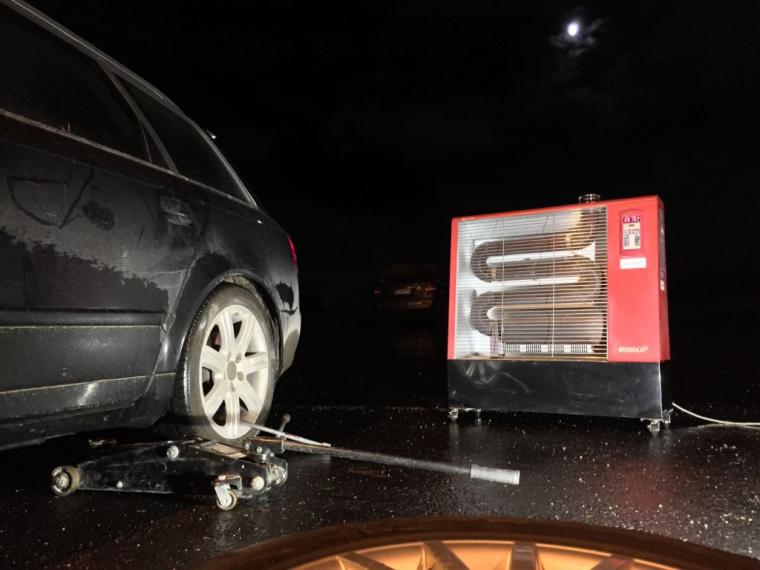
There are many significant differences between an infrared heater and a traditional fan heater. For instance, instead of blowing, infrared heaters radiate heat. Infrared radiation heats materials, not air. To learn more about infrared radiation, visit, for example, Wikipedia. You can feel the heating effect of an infrared heater even outdoors in windy weather because the heat will get through instead of being whisked away with the wind. The warm air blown from the fan heater will disappear in the wind right out of the heater. Airrex infrared heaters are an excellent choice for, for example, service tasks that have to be performed outdoors, e.g. changing a tyre of a car or repairing machinery (forest harvester, tractor, etc.) in field conditions.
Portable air cooler to keep conference halls comfortable – even during summer heatwaves
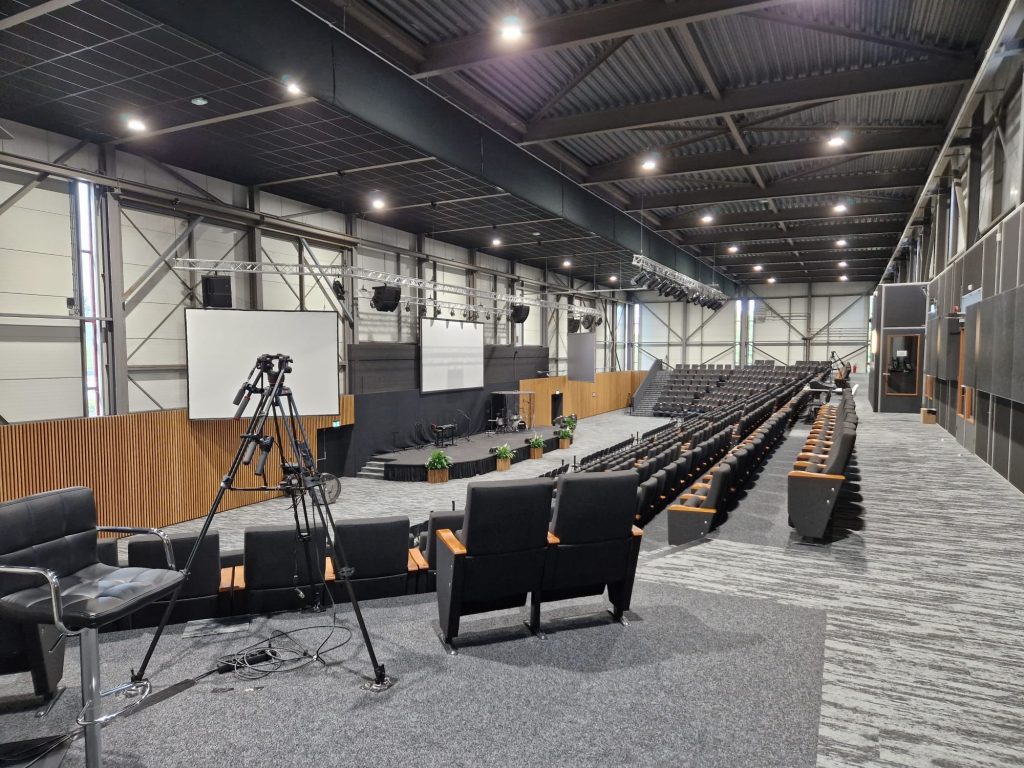
When summer heatwaves hit, indoor events can quickly become uncomfortably warm—especially in spaces with minimal insulation and no proper air conditioning. High temperatures turn conference halls into unbearably hot places, making it difficult for attendees to focus and enjoy the event. This challenge is easily solved with the REX25000 evaporative cooler, which transforms even the hottest venues into refreshing environments – ensuring a comfortable and productive experience for everyone. An affordable cooling solution for large halls and buildings Older buildings and conference halls, especially those with steel structures with poor insulation, are highly prone to overheating. Sunlight heats the roof and walls, radiating warmth into the interior. Soon, the space feels suffocating, and the atmosphere draining for attendees. While traditional air conditioning is often too costly or impractical for large spaces, the REX25000 evaporative cooler shines as a cost-effective, efficient, and hassle-free solution designed specifically for these challenges. Why choose the REX25000 evaporative cooler for large spaces? Significant temperature reduction Effectively lowers indoor temperatures by 4°C to 12°C when outdoor conditions exceed 22°C—keeping your event space comfortably cool even during the hottest summer days. High airflow capacity With an impressive 25,000 m³/h airflow, it provides efficient cooling and even air distribution throughout large areas. Portable and convenient Easy to move—cool exactly where needed. Whether it’s the main hall, backstage, or breakout rooms, REX25000 offers flexibility without the need for fixed installations. Eco-friendly and cost-effective Using only water, with no refrigerants or complicated installation, the REX25000 is a low-cost, environmentally responsible alternative to traditional air conditioners. Hygienic cooling with UVC light Equipped with an integrated UVC light sterilizer that purifies the circulating water—eliminating germs and viruses and ensuring clean, healthy air. No water mist, just clean air Unlike some cooling systems, the REX25000 produces a cool breeze without water mist, making it safe for electronics, stage equipment, and important documents. Durable and low maintenance Backed by two-year warranty, easily available spare parts, and minimal maintenance needs–the REX25000 is built to last. Real-world tested — crowds naturally gather around our coolers After touring countless outdoor and indoor events, one thing we see time and time again is how people instinctively gather around our coolers. Exhausted by the heat, attendees seek relief—and the REX25000 delivers. It creates a natural cooling, helping everyone stay refreshed, engaged, and focused. Simple setup, big impact Forget about complicated installations. The REX25000 only needs a power outlet and a water source. Its 170 L water reservoir provides extended cooling without frequent refills, or you can connect it directly to a continuous water supply for worry-free operation. Thanks to its energy-efficient design, the REX25000 keeps operating costs low while offering powerful cooling—without the use of harmful refrigerants. Looking for a cooling solution? Whether you’re planning a conference, managing a concert, or hosting any large event, the REX25000 portable air cooler offers a smart, eco-friendly, and budget-friendly solution that keeps everyone comfortable—no matter the heat outside. Contact us today to learn more or get a personalized quote. Let’s make your next event refreshingly comfortable!
When cooling can’t compromise hygiene – Maitokolmio chose the Rex Nordic HP-60
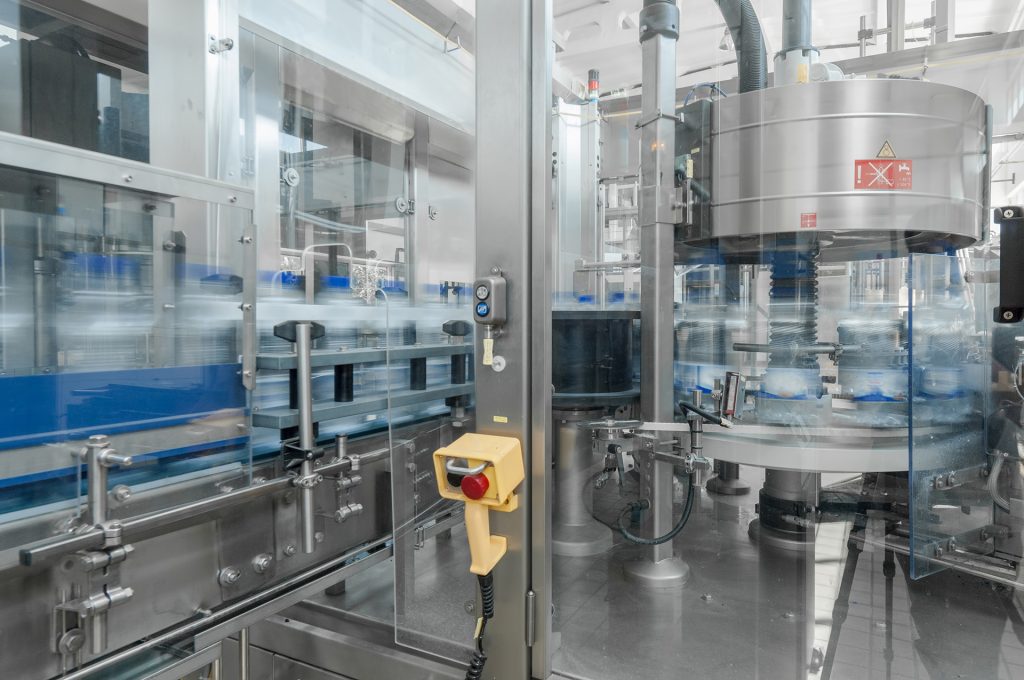
Temperature control is a critical part of food production — not only for product safety, but also for employee working conditions. Maitokolmio, one of Finland’s most well-known dairy producers, faced a challenge in its large-scale production facilities: rising indoor temperatures were affecting both process efficiency and staff wellbeing. A trusted Finnish food industry company Maitokolmio is a 115-year-old Finnish dairy company that produces and processes milk, quark, cream, and other dairy products. The company operates two production plants in the Ostrobothnia region — one in Toholampi and another in Sievi — and is owned by local milk producers. Maitokolmio employs around 100 people. High temperatures affect productivity and product quality A lot of heat is generated in Maitokolmio’s production areas — both by the processes and the people working there. Tasks such as pasteurization and packaging significantly raise the ambient temperature. Dozens of employees work in these spaces daily, and excessive heat can impact both ergonomic conditions and the precision required in dairy processing. In food production, air conditioning systems must do more than just cool the space — they must be hygienic, reliable, and deliver clean air. “It gets very hot in the production area, and high temperatures can also affect product quality. We needed a powerful solution that would also be suitable for a food production environment,” says Anselmi Kinnunen, Maitokolmio’s Maintenance Manager. HP-60 met every requirement – Now with a HEPA filter Rex Nordic’s HP-60 air conditioning unit has been in use at Maitokolmio’s facility for about a year. The previous version of the unit proved to be a highly effective solution for cooling large dairy production spaces, and the positive experience led the company to invest in a second unit — this time, the latest model equipped with a HEPA filter. Thanks to its high cooling capacity, the HP-60 is capable of lowering the temperature across the entire production hall, even though it is primarily designed as a spot cooler. “The production hall is a large space, and we needed a device with serious cooling power. The HP-60 has fully met our expectations and clearly improved working conditions. The HEPA filter makes it especially well-suited to our type of food production,” Kinnunen notes. Quick installation – Immediate results The unit was installed quickly and required no structural changes or complex setup. Within just a few days, a noticeable drop in temperature was observed in the production space, making it easier to work through the hottest process phases. The unit has been a reliable part of daily operations from the start. HP-60 – Designed for demanding production environments The HP-60 offers significant advantages for food industry use: Powerful cooling to maintain optimal conditions, even in large production areas HEPA filter to ensure air cleanliness in hygiene-sensitive environments Dehumidification capacity up to 197 liters per day, helping prevent moisture-related issues Directed cooling, allowing airflow to be targeted exactly where it’s needed Proven solution for the confectionery industry as well The HP-60 has also proven valuable in the confectionery sector, where precise cooling and clean air are essential to sensitive manufacturing processes. Many confectionery products are made from temperature-sensitive ingredients such as chocolate, fats, and fillings that respond quickly to fluctuations in room temperature. Additionally, hygiene requirements in confectionery production are just as strict as in dairy — processes must be clean, controlled, and consistent. The HP-60’s strong cooling power, HEPA filter, and ability to deliver targeted airflow makes it an excellent choice for such environments. The unit is already in use by several companies in the industry that face similar demands for precise environmental control. A cost-effective and sustainable choice One of the key advantages of the HP-60 is its portability and significantly lower cost of implementation compared to fixed air conditioning systems. Installing a permanent solution would have required substantial investment and changes to the facility infrastructure — the HP-60 provided an immediate fix without compromises in performance or hygiene. In addition, the unit supports Maitokolmio’s commitment to sustainability — its energy-efficient operation helps reduce both emissions and operating costs.
Maintaining the right temperature in potato storage with a mobile air conditioner

Proper storage of potatoes requires precise temperature control, as fluctuations can directly impact their quality and shelf life. For small-scale farms, the challenge is often finding a versatile and cost-effective solution that doesn’t require major upfront investment. The HP-19 mobile air conditioner from Rex Nordic offers a practical and flexible answer. Norwegian potato farmer Per Try, from Søgne, tested the HP-19 in his potato storage — and also managed to heat his workshop using the same device. Cost-Effective Temperature Control for Potato Storage Per Try faced a common problem shared by many farmers: how to maintain the ideal temperature in a potato storage space without skyrocketing energy costs. Storage temperature has a direct impact on the taste, structure, and usability of potatoes. Early potatoes store best in humid conditions between +10 and +13 °C, while regular table potatoes need cooler conditions around +4 to +6 °C. For potatoes grown specifically for French fry production, like Try’s, the optimal storage temperature is between +6 and +8 °C. Traditional storage systems relying on outdated methods or external weather conditions often fail to deliver the necessary climate controlled storage. Building a cold room in Norway can cost up to one million NOK (approximately £72,000), and the lack of flexible portable solutions limits options for small producers. Try needed an affordable and adaptable alternative — and found it in the quiet portable air conditioner unit, HP-19. Key Challenges in Potato Storage Potatoes are sensitive to storage conditions, requiring precise control of temperature, humidity, and ventilation.• Too warm → potatoes sprout and soften• Too cold → they freeze and convert starches, affecting flavor and texture➡ The HP-19 enables accurate temperature control and consistent air circulation throughout the entire storage period — ideal for reliable climate controlled storage. HP-19 in real use: Field test in Norway Try installed the HP-19 portable air conditioner unit to test its performance in cooling his potato storage. He was able to adjust the temperature precisely to +6.7 °C — the ideal setting for potatoes intended for frying. He was impressed with how quickly the unit reached the target temperature and how well it maintained that level despite varying outdoor conditions. The HP-19 also kept energy consumption low throughout the trial, offering a clear improvement over previous methods where fluctuations increased both risks and operating costs. The unit includes an effective air conditioner exhaust hose, allowing warm air to be vented out efficiently. Try redirected the exhaust heat to his workshop, giving the device a valuable second function. As summer approaches, Try expects to gain even more insights into the unit’s performance in warmer conditions. However, he already sees great potential for HP-19 — particularly for smaller-scale agricultural operations. Why HP-19 Is a Smart Choice for Agricultural Use More affordable than building a cold roomInstalling traditional cold storage is a major investment. The HP-19 offers a much more economical solution for small and medium-sized farms. Mobile and flexibleThis mobile air conditioner suits both temporary and long-term needs. It can easily be moved between spaces depending on the season or storage demand. Cooling and heating with one unitWhile it cools the storage area, the unit’s warm exhaust air can be redirected to heat another space — maximizing energy use and efficiency. Quick setup and easy to useNo permanent installation is required. The HP-19 is ready to go out of the box — perfect for urgent or seasonal storage needs. Smart control via appEquipped with Wi-Fi and air conditioner remote control via smartphone, users can monitor and adjust temperature in real-time — from anywhere. This ensures better response to changes and more stable conditions. Powerful enough for up to 550 m³The HP-19 can cool or heat spaces up to 550 cubic meters efficiently. Learn more about Rex Nordic’s HP-19 mobile air conditioner. (Need more power? Explore the HP-60 model.)
Moisture and diesel infrared heaters
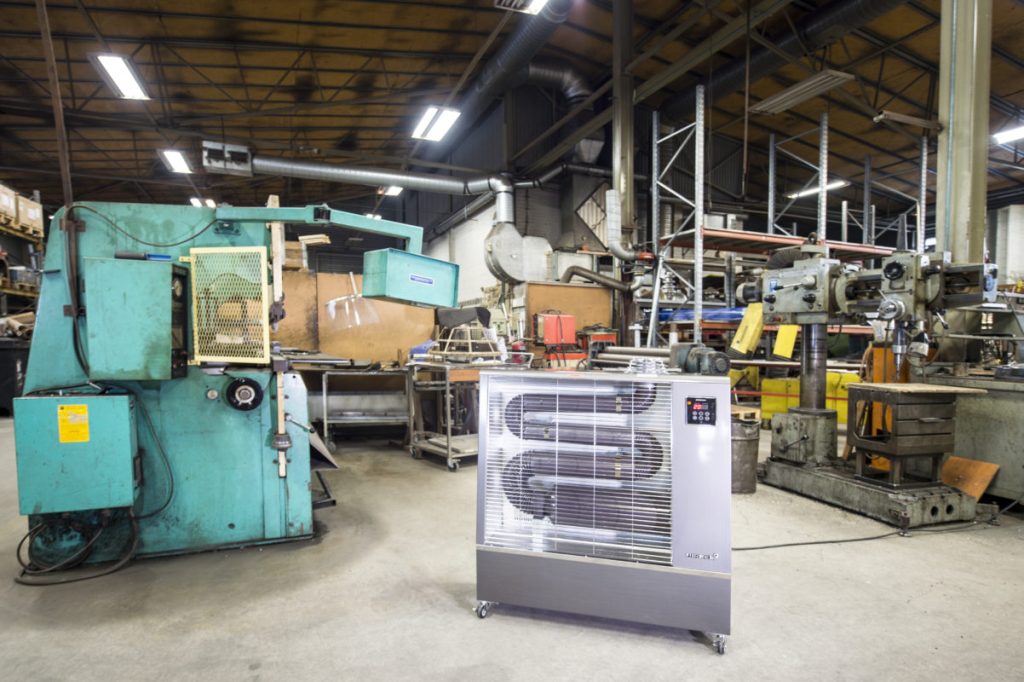
When heating cold spaces, the moisture tends to condensate on windows, metal structures or other structures in the heated space. From where does this moisture actually come? As a rule, air contains humidity in the form of water vapour: the hotter the air, the more humidity there is in it. Cold air cannot hold as much moisture as warm air. Air that contains water vapour heats up quicker than solid structures. Warmer air gathers more water vapour, but the solid structures in the heated space remain cool. The air close to the structures cools down, and the amount of water vapour in the air exceeds 100% RH. When the relative humidity of air exceeds 100%, water vapour in the air starts to condensate into droplets visible particularly on windows and metal surfaces in the heated space. You can also witness the same phenomena on a frosty pint of beer on a terrace in the summer. Two measurement units for humidity The amount of water vapour in the air, or humidity, is described by two different concepts. One expresses the amount of water in the water vapour found in a cubic metre of air. This is referred to as absolute humidity. The other, relative humidity, expresses the percentage of water vapour contained in the air. Relative humidity may vary from totally dry air (0%) to saturated air (100%) that contains the maximum amount of water vapour possible. Oil heaters produce carbon dioxide and water vapour Airrex infrared heaters burn diesel or fuel oil extremely efficiently, using almost 100% of the energy contained in the oil for the heating of the space. In practical terms, this means that all of the 10 kW of (heat) energy contained in a litre of fuel is utilised. 10-kW heating capacity is enough to significantly raise the indoor temperature in most heated spaces. Once the desired working temperature has been achieved, Airrex heater’s thermostat steps in to control the heater, reducing fuel consumption and emissions. A litre of fuel or diesel oil burnt creates 2.7 kg of carbon dioxide and 560 grams of water. Heating dries the air The capacity of air to hold water vapour is almost directly proportional to the temperature of the air. The colder the air, the smaller the amount of water vapour it can contain. This explains why heating is the most effective way to dry out spaces. Even then, formation or entry of humidity from outside the heated space must be prevented. If the relative humidity in a largish hall space is 40% at 0 degrees Celsius, each cubic metre of air in the space contains 1.9 grams of water vapour (water). If additional humidity is prevented from entering the space, raising the temperature in the space from zero to +20 degrees Celsius reduces relative humidity to five (5) per cent. It does not take much to heat air The average heat capacity of air is 1.01 kJ/kg/°C, based on which it is possible to calculate the output needed to heat it. To raise the temperature of one cubic metre of air by one degree, you need approximately 0.00035 kWh of heating power. If the heated space is, for example, 300 m3 in size, the power required to heat the air in it from zero degrees to +20 degrees is just 2.1 kWh. In reality, however, the above figure is not enough because of the significant effect the structures and objects in the heated space have on the required heating capacity, not to mention any heat loss due to structural leaks and ventilation in the space in question. Humidity created by an oil heater is not a risk The fact of the matter is as follows: to heat a 300-cubic-metre space from zero to +20 degrees, you require about 10 kWh of power, or one litre of oil, at maximum. This translates into 560 grams of water vapour that is mixed with 300 cubic metres of air. The amount of water in each cubic metre of air is, then, increased by about 1.9 grams. If the initial amount of water vapour per cubic metre of air in the heated space was 1.9 grams, the figure after the heating would be approximately 3.8 grams. At +20 degrees Celsius, this translates into about 30% relative humidity, which will not cause a moisture damage risk to any structure whatsoever. Unique benefits of oil-fired Airrex infrared heaters Radiation heaters do not heat the air as such, but the objects in the way of the infrared waves. Thus, the structures and objects in the heated space will become warm quicker than the air. This efficiently prevents condensation of humidity in the air on the surfaces, minimising the risk of damage due to moisture. Another factor that reduces the moisture risk is fuel. Many infrared heaters use liquefied petroleum gas, or LPG, which, when burnt, produces carbon dioxide and water. It is, therefore, a very clean fuel. Airrex heaters are in practice just as clean, but they produce considerably less water than LPG heaters. One (1) kg of LPG produces approx. 12.8 kWh of energy when burnt. At the same time, 2.99 kg of carbon dioxide and 1.63 kg (1,630 grams) of water vapour are produced. Using diesel oil, the amount of water vapour produced to achieve the equivalent heating power is approx. 720 grams – less than half of that with LPG. This is a significant difference, at least for anyone wishing to minimise the risk of moisture damage. Infrared heat dries out structures As described above, infrared heating increases the temperature of the structures and objects in the heated space rather than the air. This prevents condensation of moisture on the surfaces of the structures. Infrared heaters can also be used to remove humidity in applications such as the drying of moisture damage from concrete structures, for example. If there is moisture in the structures of the heated space from the time of construction or for some other reason, infrared heaters can be used
Large space heaters and exhaust management
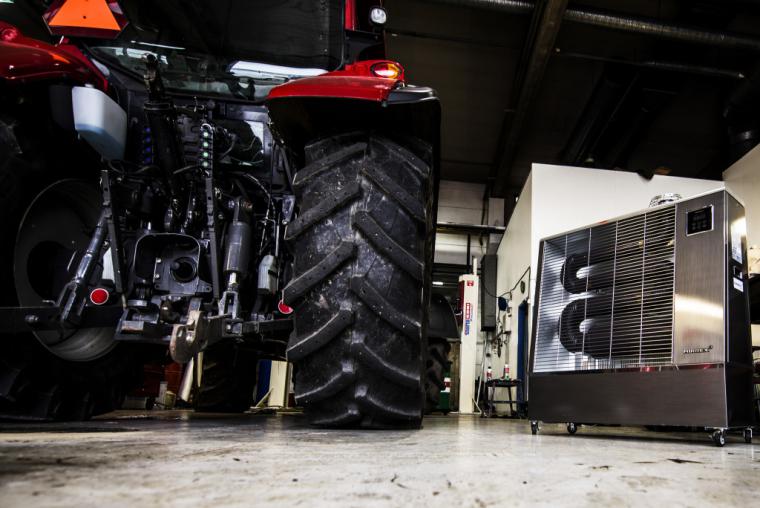
Not many enjoy the exhaust gases produced from burning diesel or fuel oil. A lot of people have found that the gases cause unpleasant symptoms in the respiratory system, mouth and throat, or even eyes, as the most sensitive people have reported.Exhaust management is not a problem for users of Airrex large space heaters that burn the fuel so efficiently that a separate exhaust outlet to the outside is not needed. If the combustion is incomplete, the exhaust will contain various harmful compounds. Unburnt hydrocarbons, carbon monoxide, various particulates, nitrous oxide and, of course, carbon dioxide. In case of high-quality hydrocarbon-based fuel, such as diesel, it is possible to achieve near-perfect combustion, meaning that the exhaust emissions consist mostly of carbon dioxide that is not dangerous as such, and water in the form of water vapour. Perfect combustion is the reason why Airrex infrared heaters do not require separate exhaust piping. Kymenlaakso University of Applied Sciences (KYAMK) is one of the few institutes in Finland that perform emission measurements. Marko Piispa, leader of the emission measurement unit, recalls that the emissions from the Airrex heaters were low. He does not comment on their safety when used in sealed spaces: this can be determined by studying the guidelines and limit values set out by the authorities. Airrex infrared heaters and exhaust gases According to the Decree of the Ministry of Social Affairs and Health on concentrations known to be harmful (HTP) and the Ministry of the Environment procedure on carbon dioxide levels in indoor air, the maximum allowed concentration of carbon dioxide during normal weather conditions and while the room is occupied is 1,200 ppm. The acceptable exposure limit at workplaces during an 8-hour workday is 5,000 ppm. Correspondingly, the amount of carbon monoxide in the air during an 8-hour workday should not continuously exceed 10 mg/m3. The limit for nitrogen dioxide concentration known to be harmful is 6 ppm, or 11 mg/m3, over 15 minutes of exposure. Operating at full capacity, Airrex AH-300 produces one milligram of carbon monoxide per cubic metre of air, meaning that the recommended limit value would not be reached during 10 hours of working. As heaters rarely operate at full capacity all the time, the maximum working time is much longer. And, if normal ventilation is ensured, carbon monoxide creates no risk whatsoever. Harmless as such, carbon dioxide is, in fact, very important for the human body. According to the emission report by KYAMK, exhaust gases from Airrex AH-300 contain 10% of carbon dioxide that is very quickly mixed with the air in the room space. This is why the carbon dioxide emissions are not considered significant. Nitrogen oxides created when burning diesel and fuel oil are considered hazardous to health. Noteworthy in the emission measurement report of an Airrex AH-300 operating at full capacity is that the nitrogen oxide emissions with biodiesel were 201 mg/m3 while those with regular diesel were 183 mg/m3. If exhaust gas is inhaled directly from the end of an AH-300 exhaust pipe, nitrogen oxides cause more stress on the body than recommended (6 ppm, or 11 mg/m3, 15 min of exposure), but the concentration decreases significantly when the exhaust gases mix with the air in the heated space. As regards an Airrex AH-300 operating at full capacity, the value will remain below the concentration known to be harmful (HTP) determined by the authorities when the volume of the heated space is approximately 200 cubic metres. This translates into a room that is approximately 8 x 10 x 2.5 metres in size. If the ventilation of the heated space is in line with the recommendations, i.e. a complete air change per every two hours, Airrex AH-300 can be used in spaces smaller than 100 cubic metres in size without risk of any health hazards due to nitrogen dioxide. With a capacity of 13–15 kW, Airrex AH-300 warms up such a small space very quickly, after which full capacity is no longer needed. This means less nitrogen oxide emissions and, subsequently, negligible health hazards thereof. Emissions in summary In summary, Airrex infrared heaters do not produce dangerous amounts of carbon monoxide – and no separate exhaust piping is required. The carbon dioxide that is created is no more a health hazard than carbon dioxide normally found in the air. During initial heating in a small space, the level of nitrogen oxides created may rise to concentrations determined hazardous by the authorities. The risk can be reduced by staying away from the (small) space during the initial heating and ensuring normal ventilation thereafter. The risk can be eliminated entirely by leading the exhaust gases outside the heated space. The smaller amount of nitrogen oxides created during the less capacity-intensive continuous heating keeps the level below the concentrations known to be hazardous. In a nutshell: a well-designed diesel heater can achieve such perfect combustion that there is no need for a separate exhaust pipe. After reviewing the calculations, this is also confirmed by Marko Piispa, who performed the emission measurements: “Emissions from the Airrex heater were quite low. They do not present a health risk in a large hall with appropriate ventilation.” Visit our webstore to read more about the safe and efficient Airrex heaters .
Fuel-fired large space heater – how much supply air is needed, and other questions.
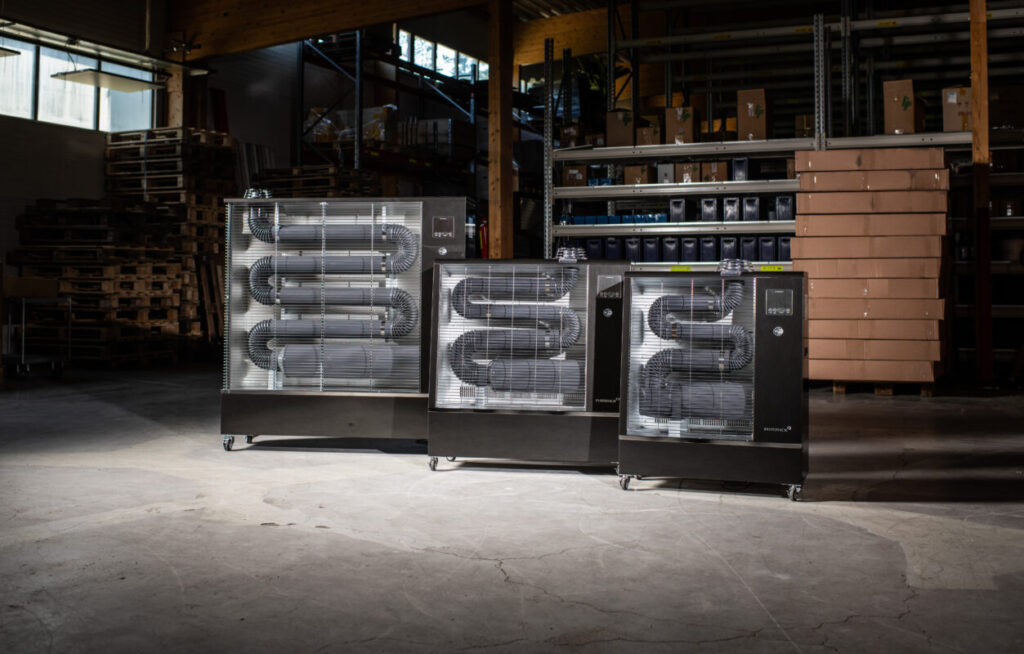
How is it possible to have a large space heater without an exhaust pipe? It is made possible by using pure high-quality fuel that ensures perfect combustion. Of the exhaust, more than 99% is carbon dioxide and water vapour that are parts of the air that we breathe. There is practically no soot or other fine particles, not even carbon monoxide. Exhaust from clean-burning high-quality fuel contains very low nitrogen oxide levels that do not constitute a health risk. To learn more, read this article. Water vapour is in no way hazardous to health, and the moisture in the exhaust gas of Airrex infrared heaters does not harm the structures of the heated space. Oil heater and carbon dioxide load There are two stages in warming up enclosed spaces, such as halls and warehouses: initial heating and continuous heating. During the initial heating, the fuel heater blows or radiates heat at maximum power, producing the maximum amount of exhaust gases. Once the space is heated, continuous heating only requires a fraction of the heater’s heating capacity. In this stage, Airrex infrared heaters typically use only a small amount of fuel per hour. Due to the two heating stages, the exhaust load in the heated space also varies greatly. Therefore, the ventilation performance required to ensure an appropriate amount of supply air and a level of carbon dioxide suitable for people to breathe varies. Load on full heating capacity Airrex infrared heaters are offered in three capacity classes. The heating capacity of the smallest Airrex AH-200 is 13 kWh, the heating capacity of the medium Airrex AH-300 is 15 kWh, and the capacity of the largest AH-800 is up to 22 kWh. The capacity is achieved by burning approximately 1.0–2.5 litres of fuel per hour. Burning 1.5 litres of fuel or diesel oil produces approximately four kilograms, or 4,000 grams, of carbon dioxide. The burning process requires approximately 22 cubic metres of air. Correspondingly, to burn 2.5 litres requires approximately 36 m3 of air and produces approximately 6,600 grams of carbon dioxide as a combustion product. The carbon dioxide produced by the heating makes working in the heated space more stressing. But when does it become a health risk? Carbon dioxide is not dangerous as such, but large concentrations are considered harmful Carbon dioxide is one of the normal gases in the air and, as such, not dangerous at all. On the contrary, the human body needs carbon dioxide to work. If the level of carbon dioxide in the air increases, we feel like we are “running out of breath” and the body reacts by automatically increasing the rate of breathing. A high level of carbon dioxide in the air is reported to cause headache, fatigue and a feeling of stuffy air. The amount of carbon dioxide in the air is expressed in ppm, or parts per million. The amount of carbon dioxide in the open air is approximately 380 ppm. According to the Decree of the Ministry of Social Affairs and Health on concentrations known to be harmful (HTP) and the Ministry of the Environment procedure on carbon dioxide levels in indoor air, the maximum allowed concentration of carbon dioxide during normal weather conditions and while the room is occupied is 1,200 ppm. The acceptable exposure limit at workplaces during an 8-hour workday is 5,000 ppm. This translates into carbon dioxide concentrations of half a per cent (0.5%) mixed in the air. Something about the level of stress caused by carbon dioxide on the human body can be deduced from the fact that submarine crews work and live in an atmosphere that contains approximately one per cent (10,000 ppm) of carbon dioxide. Even a concentration of 2%, or 20,000 ppm, has not been found to cause adverse health effects during short-term exposure. How much does an auxiliary oil heater increase the carbon dioxide concentration in a hall space? The specific weight of air varies according to the temperature and humidity of the air, the average used in these calculations being 1.225 kg/cubic metre (at sea level). Of this figure, the amount of carbon dioxide is 0.038% = 0.0004655 kg, or approximately 0.47 grams. The 5,000 ppm carbon dioxide exposure limit allowed at workplaces translates into approximately 6.125 grams of carbon dioxide per cubic metre of air. Considering the amount of carbon dioxide already in the air (0.47 grams/m3), the amount of extra carbon dioxide allowed to be mixed in the air is 5.655 grams. If we now presume that there is no ventilation whatsoever in a heated space with Airrex AH-300 infrared heater blasting away at full capacity, how big must the space be in order to avoid any health hazard due to the exhaust? The four kilos, or 4,000 grams, of carbon dioxide produced per hour requires a space of approximately 710 m3to dilute below the 5,000 ppm concentration level. The area of a hall space that is four (4) metres high should, then, be approximately 180 square metres. Using the more powerful Airrex AH-800 for an hour at full capacity would require a hall space of approximately 1,150 cubic metres to keep the increase in the carbon dioxide level below the recommended 5,000 ppm limit. Continuous heating requires only one-third or significantly less fuel compared to full capacity heating. This means that carbon dioxide emissions are only one-third or less by comparison. Subsequently, the volume of the heated space only needs to be 230–380 m3 to keep the carbon dioxide level below the recommended workplace exposure limit. The floor area of a 2.70-metre high hall space with a volume of 230–380 m3 is 85–140 square metres. The significance of ventilation The above examples are theoretical in nature because there are not that many heated spaces that are completely sealed. On the other hand, a combination of a particularly low ventilation setting and use of a fuel-fired heater will result in continuously increasing indoor air carbon dioxide levels, something that should be considered. If the heated space is ventilated in a normal manner in compliance with the regulations, meaning a
A Cooler Barn Supports Stable Milk Production in Summer
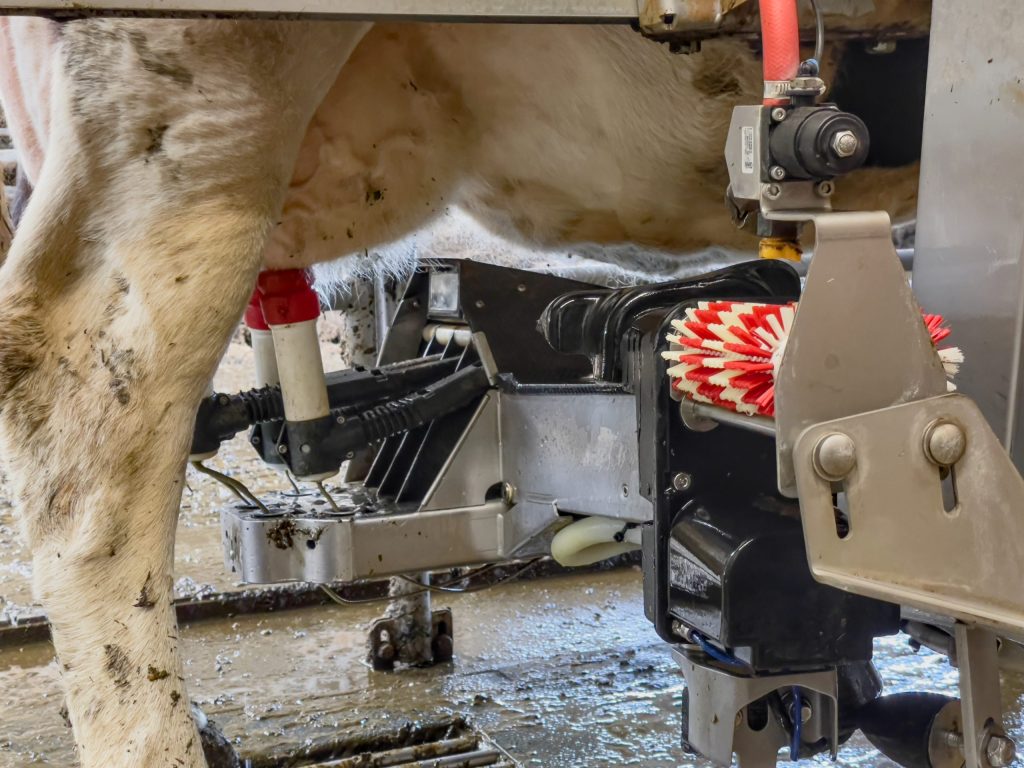
In brief Heat stress reduces cow welfare and milk yield during hot periods. The HP-19 air conditioning unit provides targeted cooling in barns without fixed installations. Cooler and drier indoor air supports feed intake, resting behaviour, and a steady milking rhythm. The solution is flexible and easy to move between different spaces and needs. Summer heat often becomes visible on dairy farms first in animal behaviour – and eventually in the milk tank. As temperatures rise, even small changes in barn conditions can affect how cows eat, rest, and attend milking. Heat is therefore one of the key challenges on dairy farms, influencing both milk production and animal welfare. Targeted cooling with the Rex Nordic HP-19 air conditioning unit offers a practical way to manage the effects of heat waves in everyday farm operations. Heat stress can occur at surprisingly low temperatures Heat stress is often thought to be a problem only during extreme heat waves. However, research and expert assessments show that dairy cows may begin to suffer from heat stress already when barn temperatures rise to around +20 °C, especially when humidity levels are high. In these conditions, cows must use energy to regulate body temperature instead of directing it toward feed intake and milk production. As outdoor temperatures increase, livestock buildings tend to warm up quickly but cool down slowly. This means that heat stress thresholds are easily exceeded indoors even during short heat spells, and the effects may persist after outdoor temperatures drop again. For dairy cows, the optimal temperature is below +18 °C. When temperatures rise above +20 °C, cows begin to reduce feed intake and rumination, which quickly leads to lower milk yields, particularly in high-producing cows. Production losses are quickly reflected in farm economics The effects of heat stress are not limited to prolonged heat waves. Studies show that even short periods of heat can reduce milk yield by several litres per cow per day. During extended hot periods, production losses of up to 4–5 kg per cow per day have been observed. In exceptionally warm years, the number of hot days in Finland can rise into the dozens. For example, in 2018 there were around 40 hot days in southern Finland and about 20 in Lapland. In many regions, milk yields remained below normal for up to four months, from May through August. Targeted cooling is a practical solution for barn conditions The Rex Nordic HP-19 air conditioning unit offers a practical solution when efficient yet flexible cooling is needed without permanent installation. Designed for professional use, the unit is well-suited for environments where heat load varies throughout the day. Cooler and drier conditions for the animals The HP-19 produces cool, dehumidified air and allows it to be directed precisely where it is needed via separate exhaust air ducts. In a barn, this may include milking robot waiting areas, feed table edges, or resting zones where cows spend most of their time. Research indicates that targeted cooling in animal living areas is more effective than cooling an entire building, as it directly affects feed intake and resting time. By directing cool air to the right locations, effective results can be achieved without cooling the whole structure. This makes the solution energy-efficient and easily scalable for barns of different sizes. If necessary, multiple units can be placed in different parts of the building according to heat load. Cow behaviour reveals the success of cooling Based on farm experience and research, the benefits of cooling are quickly reflected in cow behaviour. Heat stress reduces resting time and feed intake, which directly impacts milk production. When indoor air remains more comfortable even during hot days, cows do not need to spend energy on cooling their bodies. They eat more normally and rest longer, reducing the negative effects of heat stress and helping maintain more consistent production levels. A cooler indoor environment also encourages cows to return indoors during warm nights, helping to stabilise the milking rhythm and improve overall utilisation of the milking system. Drier air supports indoor air quality and udder health High temperatures combined with high humidity place additional strain on animals and degrade indoor air quality. Heat stress has been shown to increase somatic cell counts, which are often associated with compromised udder health. Mastitis can reduce the milk yield of an affected cow by 4–10 percent. According to studies, somatic cell counts are typically highest in late summer. The HP-19 removes moisture from the air during operation, helping to keep barn air fresher and more comfortable for both animals and staff. Condensed water is collected in the unit’s internal tank, with emptying being the only regular maintenance required. Better conditions for people as well Working in barns during hot weather is demanding for people too. Targeted cooling improves comfort in milking areas, feeding zones, and service spaces. As heat load decreases, endurance improves and the working environment becomes safer and more pleasant. An effective response to summer heat challenges The Rex Nordic HP-19 provides a fast and practical way to improve barn conditions when temperatures rise. Targeted cooling, humidity control, and portability make it a versatile solution for a wide range of agricultural environments. When animals feel better, production remains more stable – and working conditions improve at the same time. The cost of heat stress on a dairy farm Example farm: 100 lactating cows When the barn’s average daily temperature remains above +20 °C: Milk yield may drop by 4–5 litres per cow per day Total production loss: 400–500 litres per day Per month (30 days): 12,000–15,000 litres less milk Average producer milk price (May–July 2023): €0.5135 per litre Economic impact: Per day: €205–257 Per month: €6,156–7,700 The calculation is based on production losses observed in research and academic studies on heat stress (Hulsen 2009; Holma 2020; Jääskeläinen 2020).