
A Portable Air Conditioner Solved a Laundry’s Heat Challenge
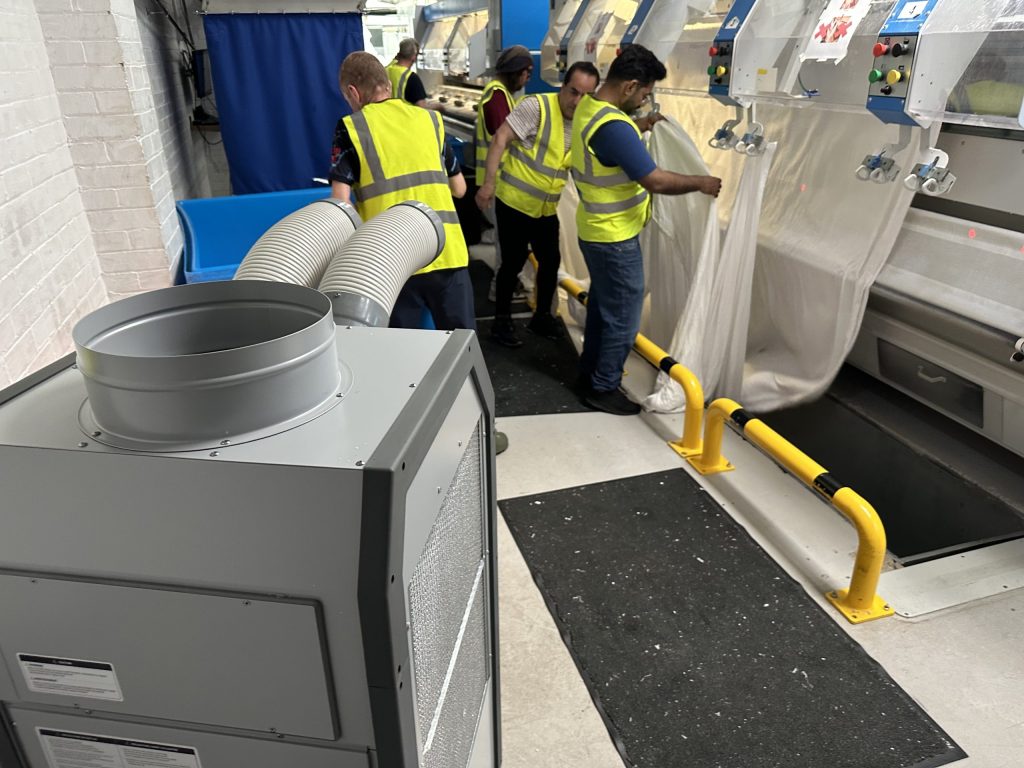
In brief In laundries, heat tends to concentrate at specific workstations such as sheet ironers, tumble dryers and pressing equipment, where large amounts of heat are generated. In a UK-based laundry, temperatures in the hottest areas rose to well over +40 °C, placing significant strain on employees. The HP-19 (19,000 BTU) portable air conditioner enabled precise, targeted cooling combined with effective dehumidification. WHO and ILO emphasise the importance of targeted cooling solutions in managing heat in hot indoor working environments. Laundries are not usually thought of as hot workplaces, yet in reality they can be surprisingly demanding, especially during the summer months. In a professional laundry in the United Kingdom, heat built up around the sheet ironers, tumble dryers and pressing area, where temperatures during peak periods rose clearly above +40 °C. The heat did not spread evenly throughout the facility but accumulated at these specific workstations. This had a direct impact on employee comfort and endurance. To address the issue, the site selected the Rex Nordic HP-19 portable air conditioner, allowing cooling to be focused precisely where the heat was felt most intensely. Heat challenges in laundries originate from machinery The heat generated in laundries is a direct result of the machinery used in daily processes. Sheet ironers, tumble dryers, pressing and other finishing equipment continuously produce large amounts of heat as wet textiles are dried, ironed and finished. This heat is released directly into the workspace—often exactly where employees spend long periods working next to the machines. As a result, heat does not distribute evenly across the entire laundry but concentrates at certain workstations. International studies show that in such environments, employees are exposed to heat stress, which can reduce stamina, concentration and physical performance. The U.S. Occupational Safety and Health Administration (OSHA) recognises laundries as workplaces where localised heat can increase fatigue and accident risk unless heat loads are actively managed and cooling is properly targeted. High temperatures also place additional strain on machinery. A more stable and cooler operating environment supports equipment durability, reduces maintenance needs and lowers the risk of unplanned production downtime. In this way, cooling benefits both employee working conditions and overall operational reliability. Targeted cooling in practice: a 19,000 BTU air conditioner in laundry use The HP-19 is a refrigerant-based portable air conditioner with a cooling capacity of 19,000 BTU per hour, equivalent to approximately 5,570 watts. The BTU value indicates the unit’s ability to remove heat energy from the air: the higher the rating, the more heat the unit can transfer out of the space. In a laundry environment, where sheet ironers, tumble dryers and presses generate heat continuously, this level of capacity enables effective cooling even during prolonged operation. The HP-19 cools air using the same principle as fixed air conditioning systems. Thanks to the refrigerant circuit, temperature control is precise and reliable, rather than a short-term cooling effect. In cooling mode, the user can set a target temperature between 18 °C and 30 °C, and the unit automatically maintains the selected temperature even during heatwaves. The units were deployed on a workstation-specific basis: on both sides of the sheet ironer near the tumble dryers in the pressing area A key factor was also the air conditioner’s high dehumidification capacity, removing up to 118 litres of moisture per day. High humidity is typical in laundries and makes heat feel heavier and more exhausting. When moisture is controlled, heat is perceived as significantly more tolerable and working conditions improve—without the need to lower the temperature throughout the entire facility. The HP-19 can also be used to improve air quality through different filtration options. In laundry environments, this can reduce airborne dust and fibres, helping to improve indoor air quality and support employee working conditions. Why was cooling focused only on specific workstations Laundry facilities are often large, with continuous production processes. Although a portable air conditioner may be suitable for spaces of up to 550 m³, cooling an entire hall is not always the most practical solution if heat is generated locally around machinery. In such cases, a large portion of the cooling capacity would be directed to areas where heat is not the primary issue. In this case, cooling was deliberately targeted at the workstations with the highest heat load. This not only improved working conditions but was also an energy-efficient solution: by avoiding unnecessary cooling of the entire space, overall energy consumption remained significantly lower. The portable air conditioner made it possible to: deliver cooling directly to the employee’s working area reposition units flexibly according to production flow and workstation needs deploy the solution quickly, without structural modifications or production downtime This approach is in line with recommendations from the World Health Organization (WHO) and the International Labour Organization (ILO). Both organisations emphasise that in hot indoor working environments, heat exposure should primarily be managed through targeted technical solutions, especially at workstations where employees are exposed to heat for extended periods. Employee experience – less heat, a better working day Although the solution was technically simple, its impact on everyday work was clearly noticeable. Employee feedback was unanimous: the hottest workstations became manageable, and the working day felt lighter even during periods of high temperatures. Research shows that even a moderate reduction in temperature and humidity can improve concentration, reduce fatigue and increase job satisfaction. In this laundry, the improvement was quickly reflected in daily work and in employee experience. A portable air conditioner as part of a functional working environment The British laundry continues operating as before—but conditions at the hottest workstations are now clearly better. The portable air conditioner proved to be a practical solution in an environment where heat is generated by machinery rather than outdoor conditions. When cooling and dehumidification are correctly targeted, working conditions can be improved without major modifications to the facility. The HP-19 is particularly well-suited for professional use, targeted cooling and situations where a flexible, rapidly deployable solution is required. More information about the HP-19 portable air conditioner.
Portable Air Cooling for Event Tents and Temporary Spaces
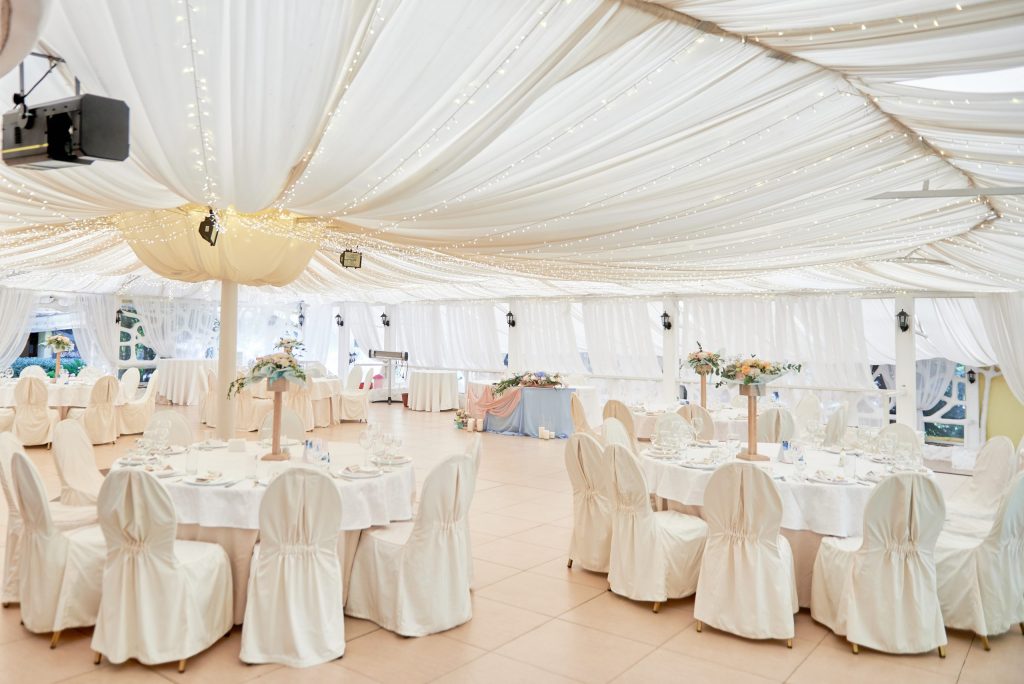
Summary Suitable for event tents, outdoor events, trade fairs and pop-up spaces Cooling capacity can be scaled according to the size of the space Can be implemented with multiple smaller units or by combining different unit sizes Can also be used as a fan, but the most efficient cooling is achieved with water Units can be connected directly to a water supply or operated using the internal water tank Temporary event spaces often present challenges in warm weather conditions. Event tents, exhibition stands, outdoor sales areas and pop-up environments can heat up quickly in direct sunlight, and traditional air conditioning is usually not a viable option in these types of spaces. What is needed instead is a portable solution, quick to deploy and powerful enough to work in open or semi-open environments. Rex Nordic air coolers are designed to efficiently cool large areas, with minimal effort and no permanent installation required. The smallest model cools areas up to 120 m², the mid-size model up to 250 m², and the largest model up to 500 m². The cooling solution can be scaled to different room sizes either by using multiple smaller units or by combining models of different capacities within the same space. Sizing the Cooling Solution for Event Environments In event spaces, cooling is typically most effective when implemented in one of the following ways: with several smaller units, when the space includes multiple activity areas or structures that affect airflow with larger-capacity units, when the space is open, high-ceilinged or hall-like The objective is not to chill a sealed indoor environment, but to improve temperature conditions and airflow across a wide area, helping guests and staff remain comfortable for longer and ensuring a pleasant experience even in hot weather. Evaporative Cooling Performance Is Based on Water Rex Nordic air coolers can be used as high-performance fans, but the best cooling efficiency is achieved when the unit operates using evaporative cooling with water. Water supply can be arranged in two ways: the unit can be connected directly to a water line, enabling continuous operation or water can be added manually to the unit’s internal water tank The system does not require refrigerants or fixed installation, which makes the coolers ideal for temporary and mobile environments. Typical Use Cases During summer and early autumn, Rex Nordic air coolers are commonly used in: event tents and private celebrations corporate events and customer days trade fair and exhibition stands food-service and catering areas backstage and staff working areas A key advantage is that the same unit can easily be moved from one location to another and reused across multiple events. Case: Flexible Cooling in a Summer Wedding Tent Using Two REX14000 Units A large outdoor summer wedding was held in a 200 m² event tent, including a full seating area, dance floor and a high number of guests. Due to lighting, activity and crowd density, the temperature inside the tent was expected to rise to an uncomfortable level as the evening progressed. Instead of relying on a single larger unit, the organiser chose to install two REX14000 air coolers. Each unit is capable of cooling up to 120 m², making the combined capacity well-suited for the tent size. The units were positioned on opposite sides of the tent, allowing airflow to cross the space evenly and creating more consistent cooling throughout the venue. Cooling was implemented by connecting both units directly to a water supply, ensuring stable performance during the entire event. While a single REX25000 could technically have handled a tent of this size, using two smaller units allowed better airflow control, more flexible placement and more even cooling distribution across different activity zones within the tent. During the evening, the tent remained pleasantly cool, guests stayed inside longer and the dance floor remained in active use. Feedback highlighted improved comfort and a more enjoyable atmosphere, leading the organiser to decide to use the same setup for future events. Portable Cooling for Events – A Practical Solution for Temporary Spaces Temporary event venues are always a balance between flexibility, usability and environmental conditions. A solution that can be moved, scaled to the space and deployed quickly provides a practical way to improve event comfort without heavy infrastructure. Rex Nordic air coolers — REX14000, REX25000 and REX48000 — are designed precisely for these environments: they deliver comfortable conditions in large spaces when the event is temporary, but the experience still needs to feel consistently high-quality for every guest.
Airrex diesel heater – steady warmth and real savings
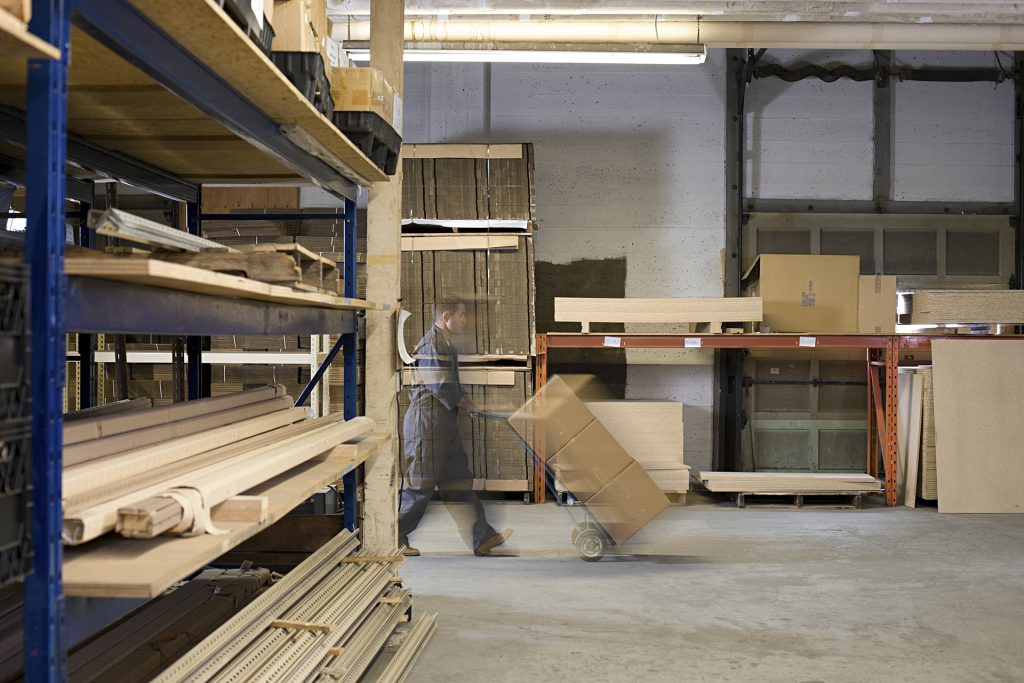
Good heating isn’t just about power. It’s also about cost efficiency – directing warmth exactly where it’s needed. Airrex diesel infrared heaters have proven in practice that consistent comfort doesn’t require high fuel consumption. The following examples show how Airrex heaters have helped keep heating costs in large industrial spaces under control – without compromising comfort. Proven results with infrared heating: only 2.5 litres per day Many are surprised to learn how little fuel Airrex diesel heaters actually consume. They’re designed to heat spaces effectively and evenly, without wasting energy where it isn’t needed. Grels Ström, a retired technical expert from Rex Nordic, uses an Airrex heater in his 480 m³ warehouse. The building has mineral wool insulation in the ceiling, plasterboard walls, and a concrete floor – a structure that stores heat efficiently. Previously, the warehouse was heated with direct electric heating, but switching to diesel brought a clear drop in both consumption and costs. Ström explains his experience: “At first, fuel consumption can be slightly higher. It usually takes about a week or a week and a half before it stabilises. Infrared heat is absorbed directly into the structures, and once they’re fully warmed, surprisingly little fuel is needed to maintain the temperature.” He keeps the warehouse at +15 °C when it’s around zero outside and has achieved remarkably low fuel consumption. Once the building is fully warm, daily consumption averages only about 2.5 litres of diesel. The Airrex heater has run reliably without problems and has required almost no maintenance. A slightly higher initial consumption is normal since building materials often contain moisture that must first dry out. Once dry, the system reaches its optimal efficiency. This is where Airrex infrared technology truly shines. The heat is stored within the structures and stays there. After that, only short heating cycles are needed to maintain a pleasant temperature day after day – and the savings show directly on the fuel bill. Smart thermostat keeps consumption low Every Airrex infrared heater comes with a built-in thermostat that helps minimise fuel consumption. The heater starts and stops automatically to maintain the desired temperature. Diesel is burned only when needed – and it’s metered precisely, no more than necessary, keeping consumption to a minimum. In practice, this means the heater works independently. Once the building’s structures have warmed up, the unit maintains the temperature with short operating intervals. There’s no need for constant adjustments – the thermostat does the work for you. Unlike traditional air-blowing heaters, Airrex units don’t push hot air to the ceiling or out the door when it’s opened. Infrared heat is directed straight into walls, floors, and machinery, which absorb and store it. As these structures retain heat, energy use remains exceptionally low. If a door is opened, the stored warmth quickly restores the indoor temperature. Long-term savings with Airrex diesel heaters Markku Ojanen has seen the difference first-hand. He heats a 1,080 m³ (360 m², 3 m high) insulated hall, which used to rely on radiators and fan heaters. The previous system consumed around 2,500 litres of oil per year. After installing an Airrex AH-300 diesel heater, the improvement was immediate. In the first winter alone, annual fuel use dropped to about 1,000 litres – less than half of the previous amount. He keeps the hall at a steady +9–10 °C, raising it to +13 °C while working. Over ten years of use, the savings have amounted to roughly €10,000–11,000, and the same heater continues to operate flawlessly. “Maintenance has been done on time, but no repairs have ever been needed,” Ojanen says. “It just keeps going.” Sustainable warmth you can feel Airrex infrared heating works on a simple yet powerful principle: instead of heating air, it radiates warmth directly into surrounding surfaces. Floors, walls, and objects absorb the heat – just like sunlight warms your skin. Once these surfaces are warm, they release heat evenly back into the air, maintaining a consistent indoor temperature. This stored warmth acts as a natural heat buffer, keeping fuel consumption low after the first weeks. The heater runs only as much as needed to maintain balance. That’s the key difference between infrared and traditional fan heaters. Infrared heat doesn’t escape when doors open or air circulates. The stored warmth in the structures quickly restores the temperature, keeping the heat where it’s needed and the savings ongoing. Site 1 – Warehouse Type: Warehouse 480 m³ Structure: Concrete floor, ceiling insulation, plasterboard walls Previous heating: Direct electric New solution: Airrex diesel infrared heater Maintained temperature: +15 °C in around 0 °C outdoor conditions Average daily fuel consumption: ~2.5 L diesel Maintenance: Reliable operation, almost no maintenance required Savings: Significantly lower consumption than the previous system Site 2 – Industrial hall Type: Insulated hall 1 080 m³ (360 m², 3 m height) Previous system: Radiators + fan heaters Previous fuel use: ~2,500 L oil/year New solution: Airrex AH-300 diesel heater Current fuel use: ~1,000 L/year Usage time: 10 years Estimated savings over 10 years: ~€10,000–11,000 Reliability: Same heater still running flawlessly, no repairs needed
Field Test of the BX e-Generator: Fuel Consumption Reduced by 83%
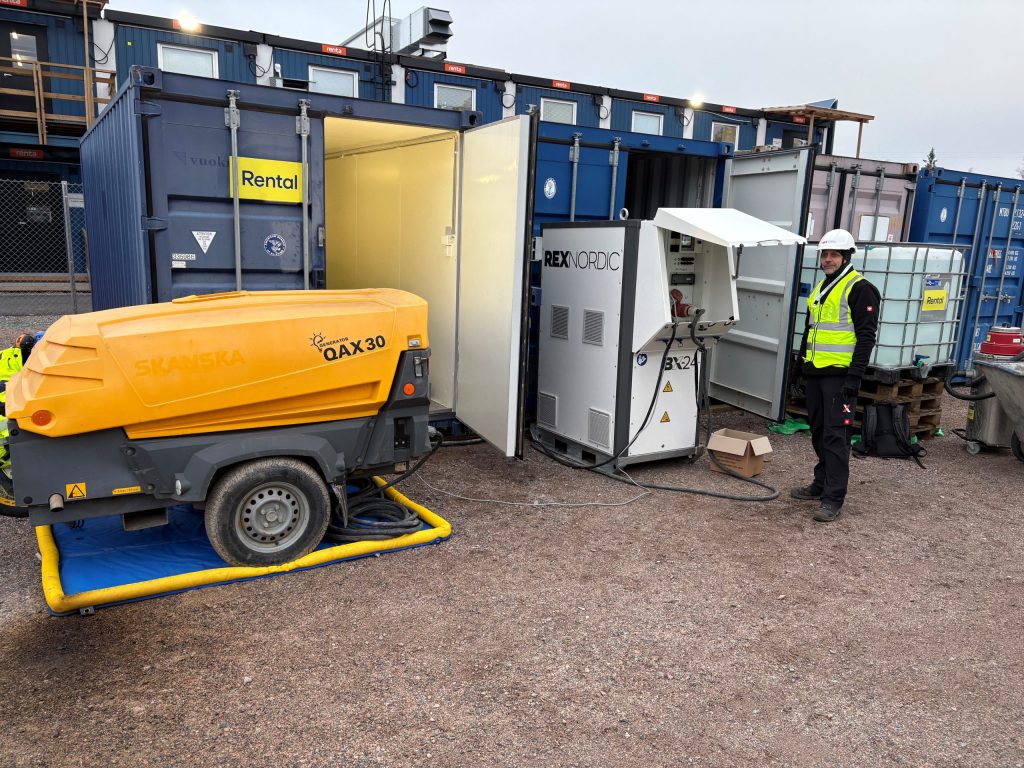
Construction sites need electricity around the clock, but the demand can vary significantly. In many cases, a diesel generator continues to run even when power is not actually needed. This leads to unnecessary fuel consumption, emissions, and wear on the generator’s engine. The BX e-Generator from Rex Nordic provides a smart solution to this problem. It acts as an energy storage unit that automatically starts and stops the diesel generator and stores power for peak demand. As a result, fuel is consumed only when truly needed. The BX e-Generator was tested for two weeks on a Finnish construction site. The goal was to determine what kind of savings and practical benefits the system delivers in real jobsite conditions. Clear Results After a Two-Week Test The BX e-Generator was connected to a 12 kVA diesel generator that supplied power to the site. BX controlled the generator automatically, starting it only when required. Most of the time, electricity came from the energy storage, so the engine did not need to run unnecessarily. The results speak for themselves: Fuel consumption decreased by 83 percent, equal to a saving of 1538 euros CO₂ emissions were reduced by 83 percent, or 2538 kilograms of CO₂ Diesel generator operating hours decreased by 320 hours in two weeks An Easy and Worry-Free Solution According to test users, the BX e-Generator was very easy to operate. It worked fully automatically and required no additional training. “Using the device was extremely simple. It started the generator on its own and maintained a stable power supply. We didn’t need to do anything,” one of the test users said. Refuelling frequency dropped, noise and emissions decreased, and power interruptions on the site were practically eliminated. The diesel generator’s lifespan also increases as operating hours and service needs decline. A Hybrid System That Pays Itself Back Quickly Together, the BX e-Generator and a diesel generator form an efficient hybrid power system. The diesel generator provides electricity when consumption is high, while BX delivers quiet and economical power during lighter loads. The more than €1,500 saved in just two weeks shows how quickly the system pays for itself, especially on sites where generators normally run for long periods. Technology That Makes a Difference The BX e-Generator is a complete energy management system. Capacity options range from 6 to 72 kilowatt-hours, and multiple units can be connected to create a larger system. The unit can be charged from the grid, a diesel generator, or solar panels. The automatic control system always selects the most efficient charging method. The PowerBoost function provides up to three times the nominal output for short periods. The system is delivered ready to use with no complex installation required. IP54 protection ensures resistance to dust and water splashes. BX e-Generators are manufactured in Europe, and the batteries are 99 percent recyclable. A Versatile Solution for Many Industries The BX e-Generator is ideal for construction sites, industry, agriculture, tunnels, and events — essentially anywhere without easy access to the electrical grid. It is also used as backup power and as part of hybrid systems in locations where power reliability is critical. When diesel generator operating hours decrease, fuel consumption and emissions decrease accordingly. The test results — an 83 percent reduction in both fuel use and emissions — strongly support companies’ sustainability and environmental targets. Test Summary 83% less fuel 83% less CO₂ 83% fewer operating hours Easy to use and reliable Extends the lifespan of the diesel generator The BX e-Generator demonstrates how energy efficiency and practicality can work hand in hand. When power is produced intelligently, fuel, emissions, and time are saved. It is a concrete step toward more modern and sustainable jobsite power. More About BX e-generators
Airrex heaters – An eco-friendly choice with renewable diesel
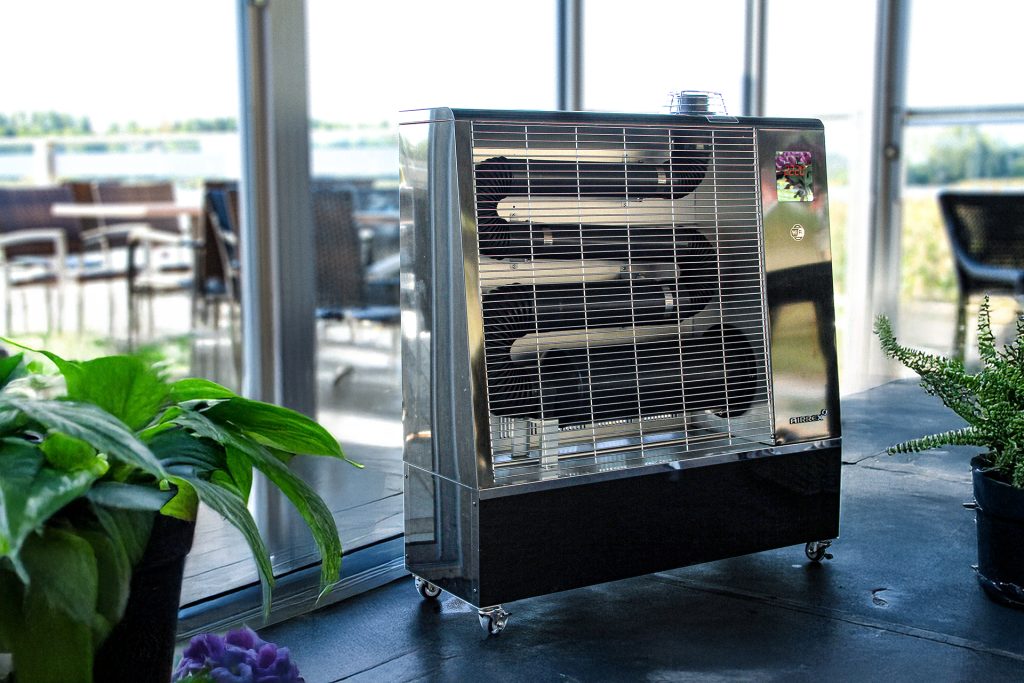
Airrex heaters are the perfect choice for those looking to reduce their carbon footprint without sacrificing performance. These heaters operate efficiently on both traditional diesel and fossil-free renewable diesel, ensuring 100% fuel efficiency and low fuel consumption. Summary Airrex heaters run on both traditional diesel and fossil-free renewable diesel, reducing carbon emissions. Innovative technology maximizes fuel energy use, ensuring low fuel consumption. In many cases, renewable diesel is a more eco-friendly heating option than electricity, especially in regions where power is generated from fossil fuels. Using renewable diesel for heating is a tangible step toward a fossil-free future, and Airrex heaters support this transition without compromising performance. Efficient and clean heating without emissions Airrex heaters utilize advanced fuel-efficient technology, ensuring all fuel energy is fully utilized. Their three-phase system directs infrared heat waves straight into the surrounding area. This method not only saves energy but also enables precise heat targeting with reflector structures. As a result, heating with Airrex is both economical and environmentally friendly. Renewable diesel – The environmentally friendly heating solution Diesel often gets unfairly associated with fossil fuels, yet modern diesel technology has evolved significantly, allowing for clean and efficient use of fossil-free fuels like renewable diesel. This sustainable fuel is a viable alternative for both heating and transportation, offering a significant reduction in environmental impact. Airrex heaters are at the forefront of this progress. With cutting-edge product development, Airrex heaters function seamlessly with renewable diesel, which is not always the case with conventional diesel heaters. When using renewable diesel, Airrex heaters significantly reduce emissions compared to electric heating systems—especially in countries where electricity production still relies heavily on fossil fuels. This makes renewable diesel an eco-friendly alternative with a lower environmental impact. Electricity vs. renewable diesel in heating Comparing renewable diesel to electric heating, renewable diesel is often the more sustainable choice. For example, in the EU, the average CO₂ emissions from electricity production range between 200–300 g CO₂/kWh, meaning that electric heating can have a higher carbon footprint than a fuel-burning heater using renewable diesel. Airrex heaters not only reduce dependence on fossil fuels but also offer significant energy savings. This makes them an ideal heating solution for large spaces requiring constant and efficient heating, such as garages, industrial halls, warehouses, and construction sites. A fossil-free future Reducing fossil fuel consumption is a key part of building a sustainable future. Using renewable diesel for heating is a tangible step towards a fossil-free world, and Airrex heaters make this transition easy—without compromising performance or usability. The benefits of renewable diesel extend beyond emissions. Its production supports local circular economies, as raw materials can be sourced locally, and manufacturing can be conducted regionally. This not only supports ecological goals but also benefits local economies. Airrex heaters exemplify how modern technology can drive the shift toward a more sustainable future. Airrex heaters are next-generation solutions for eco-friendly and cost-effective heating. They are the ideal choice for businesses that prioritize sustainability, efficiency, and responsibility. Discover our selection of diesel heaters today! Renewable diesel vs. biodiesel – Which is better? Renewable diesel (HVO) is technically superior to biodiesel (FAME, RME) due to: Compatibility: Works directly with existing diesel engines Better cold-weather performance Greater emission reductions More consistent fuel quality, regardless of raw materials Biodiesel is cheaper to produce but comes with technical issues and lower environmental benefits. EU regulations limit biodiesel blending in diesel fuels to 7%, whereas renewable diesel has no blend restrictions and can be used in pure form. We recommend using only renewable diesel in Airrex heaters. Biodiesel (FAME, RME) must not be used.
HP-19 – Targeted Cooling for the Metal Industry’s Hottest Workstations
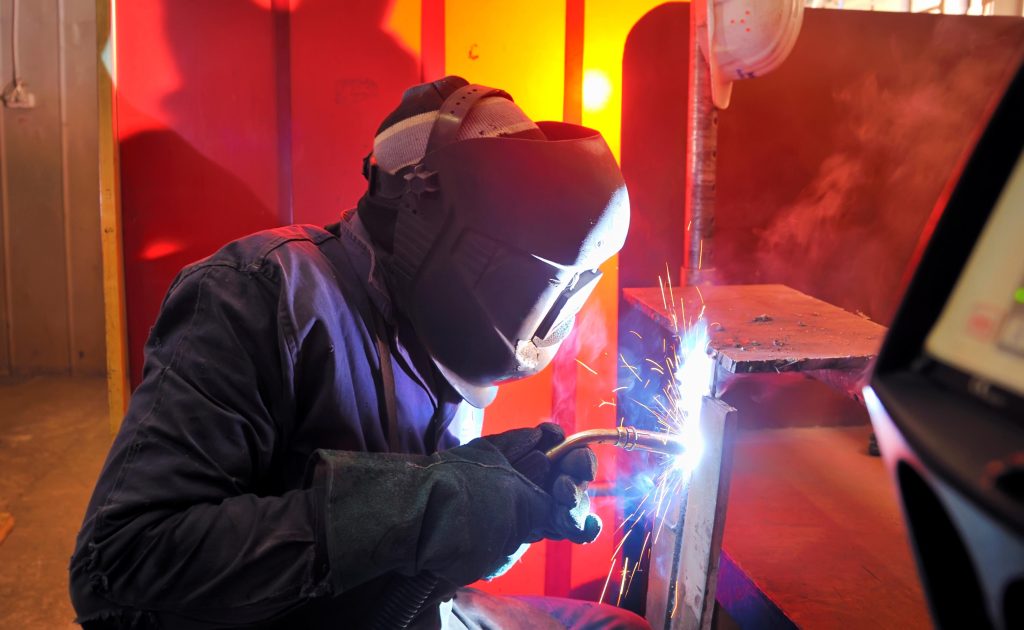
Workstations in the metal industry, such as welding and plasma cutting areas, generate intense heat. This excess warmth can impair concentration, reduce stamina, and increase the risk of equipment overheating. Traditional hall-wide cooling systems or fans often fail to focus air where it’s most needed. The Rex Nordic HP-19 portable air conditioner solves this problem with efficient, targeted cooling, delivering relief exactly where thermal stress is highest. Effective Cooling for Welding and Cutting Stations Welding and plasma cutting can rapidly raise temperatures to uncomfortable levels. General air conditioning often isn’t enough to cool the immediate workspace, where glowing metal and arc radiation generate significant heat. With the HP-19, cool airflow is directed right to the hot zone, improving comfort and safety around the worker or machine, without needing to overcool the entire facility. Mobile Cooling Power – No Installation Required The Rex Nordic HP-19 is a mobile 4-in-1 air conditioner designed for demanding industrial environments. It provides cooling, heating, air purification, and dehumidification in one robust unit. Key features include: Durable steel Easy to move with wheels and handles Operates from a standard 230 V outlet – no installation required Compact size, approx. 80–90 kg Delivers up to 15°C cooling in the target zone Simultaneously filters dust and harmful vapors from the air Cool Air Exactly Where You Need It The HP-19 can be positioned close to heat-intensive work areas, with airflow directed precisely using adjustable nozzles or optional flexible ducts. A 10-meter duct, for example, can channel cool air directly to a welder’s workstation or a specific piece of equipment, without wasting cooling power across the hall. What about the hot exhaust air? HP-19 works like a powerful air conditioner: it draws in warm air, cools it, and blows out cool air from the front, while warm exhaust air is released from the rear. The unit can be used with or without an exhaust hose. In smaller or enclosed areas, we recommend using the hose to vent hot air outdoors or upwards, away from the workspace, for optimal efficiency. In large, well-ventilated production halls, HP-19 can be used without a hose – the heat disperses widely and doesn’t interfere with local cooling. Thanks to its flexibility, HP-19 is ready to use anywhere: position it, aim the airflow, and switch it on. Energy-Efficient and Eco-Friendly Choice The HP-19 is energy efficient and has low operating costs. Its advanced compressor and heat exchange technologies produce high cooling output with relatively low electricity consumption. For instance, it delivers 5.6 kW of cooling power using just 2.3 kW of electricity. The device also uses a refrigerant with a low global warming potential (GWP), making it an environmentally responsible choice. Clean Air Alongside Cooling he HP-19 includes high-performance industrial air filters that remove dust, smoke, and other airborne contaminants. In welding areas, for example, fumes and fine metal particles are significantly reduced by the unit’s filtration system, improving indoor air quality and reducing workers’ exposure. It also helps protect sensitive equipment and products from excess heat and dust, as the HP-19 cools and filters air simultaneously. Trusted by Thousands of Industrial Operators The Rex Nordic HP-19 and its more powerful counterpart, the HP-60, are based on the popular Airrex HSC series – a long-trusted solution across industrial sites, construction areas, and agricultural facilities. These updated models retain the proven design while offering modernized technology, improved efficiency, and new features such as heating and WiFi control. Ready for Demanding Conditions HP-19 is the metal industry’s precision cooling solution – mobile, energy-efficient, and instantly ready to use. It delivers precise cooling exactly where it’s needed, improves air quality, and protects both workers and equipment – all without costly installations. Interested? Contact us to find out how the HP-19 could be the right fit for your facility.
Keep your machinery cool and precise with Rex Nordic HP units
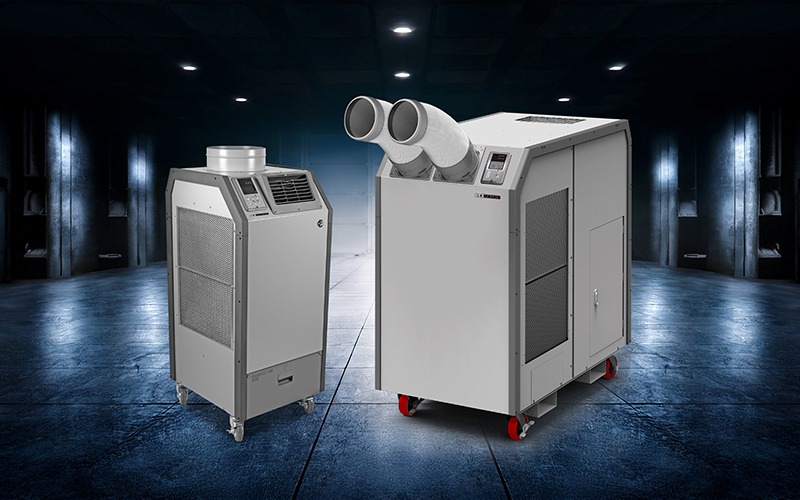
In this article: How heat affects precision machinery and compressors Why spot cooling is critical for uptime and performance Key features of the Rex Nordic HP-19 and HP-60 units The benefits of mobility, energy efficiency, and air quality control What can go wrong without proper cooling How spot cooling works: the technical edge In modern industrial environments, where precision and reliability are essential, the ability to manage heat around equipment is vital. From compressor rooms to CNC machines, controlling thermal loads ensures not only operational continuity but also product quality and component longevity. Industrial machinery, especially those operating within tight tolerance parameters, requires stable thermal conditions to avoid performance degradation. The Rex Nordic HP-19 and HP-60 air conditioners offer a dependable solution to these challenges with powerful industrial spot cooling. What can go wrong without proper cooling? Inadequate cooling in industrial environments can have a cascade of negative effects: Overheating can trigger system shutdowns or damage sensitive motors and drives. Expansion from thermal stress can misalign spindles or deform components. Increased wear on tools reduces service life and machining accuracy. Production rejects rise due to dimensional inconsistencies in workpieces. Uncontrolled humidity can lead to corrosion or condensation-related malfunctions. These risks underline why investing in a robust, portable cooling system is a preventive measure that pays off in equipment protection and production quality. Precision cooling for critical components Modern manufacturing demands tight tolerances, often in the micrometer range. Even minor heat fluctuations in motors, spindles, or tool housings can lead to expansion or contraction that compromises performance. The Rex Nordic HP-19 and HP-60 units deliver targeted spot cooling directly to heat-sensitive machinery components, helping to prevent thermal drift and ensuring dimensional stability during operation. This machinery overheating prevention is particularly beneficial in confined compressor rooms, where heat generated from constant operation can quickly accumulate. By directing cool air precisely to overheating zones, these units prevent costly downtimes and extend equipment lifespan. Designed for demanding industrial conditions With capacities of 5.6 kW and 17.5 kW respectively, the HP-19 and HP-60 support air volumes up to 2117 m³/h. This level of cooling is indispensable for precision machinery where excessive heat can lead to axial expansion, spindle misalignment, or reduced cutting accuracy. They also manage humidity effectively, which is critical in preventing condensation that can impact electronic controls and sensitive components. The ability to remove up to 197 liters of moisture per day makes them suitable even for moisture-intensive industrial zones. How spot cooling works Spot cooling is a technique that focuses cooled air precisely at heat sources such as motors, compressors, or CNC spindles, instead of cooling the entire space. This is done using ducted airflow, which minimizes energy use while maximizing temperature control at critical points. It is especially effective in industrial environments where localized overheating affects only part of the system. Rex Nordic units can be ducted and repositioned as needed, giving operators flexibility to adapt to layout or equipment changes. Adaptable and portable for evolving industrial needs As production setups shift and expand, so do cooling requirements. The mobility of Rex Nordic’s portable industrial air conditioners allows them to be quickly deployed wherever needed without the constraints of fixed installations. Whether it is spot cooling a CNC spindle, protecting automated systems, or keeping hydraulic motors within operational temperatures, these units deliver flexible cooling solutions for industrial equipment. Air quality control for enhanced equipment reliability Industrial environments often face airborne contamination from dust, metal particles, or process emissions. With optional HEPA filtration (MERV8 or H13-grade), Rex Nordic units also improve air quality, reducing the risk of contaminants impacting high-speed motors or control systems. Energy efficient and environmentally conscious esigned for professional use, these systems balance performance with efficiency. The HP-19 operates at just 2.3 kW for cooling, while the HP-60 tops out at 8.8 kW. Coupled with refrigerants that feature a low Global Warming Potential (GWP), they represent a smart choice for operations looking to reduce both costs and carbon footprint. These energy-efficient industrial cooling units support sustainability without sacrificing performance. Because only the necessary equipment or areas are cooled, there is rarely a need to control the temperature of the entire facility. This targeted approach results in substantial energy savings over time. From tightly packed compressor rooms to high-precision machine tools, controlling heat is crucial to maintaining performance and reducing reject rates. The Rex Nordic HP-19 and HP-60 provide a reliable, mobile solution tailored to the needs of professionals. If your operations rely on uptime and consistent peak performance, now is the time to invest in precision cooling that performs when it matters most. Read more about HP air conditioners Contact sales
Why Choose the Rex Nordic HP19 Portable Heat Pump Over a Traditional Heat Pump?

The Rex Nordic HP19 heat pump is an innovative solution that combines portability, efficiency, and ease of use. This heat pump offers unique advantages compared to traditional heat pumps, especially for professional use. Here’s why the Rex Nordic HP19 is an excellent choice for various situations and needs. Portability The Rex Nordic HP19 is designed to be easily portable, meaning you can take it with you as needed. This is especially useful on construction sites where heating or cooling is required in different places at different times. Its portability also makes it an excellent option for events, temporary workspaces, or other short-term needs. This feature allows you to use the device exactly where it’s needed most without the need to purchase multiple fixed units. No Fixed Installation Unlike traditional heat pumps, the Rex Nordic HP19 does not require fixed installation. This means the device can be put into use without major renovations or modifications, saving time and money. It also makes the device more flexible and easier to use in various spaces, such as rented premises or temporary buildings where fixed installations are not possible or desirable. No Electrician Needed Since the Rex Nordic HP19 does not require fixed installation, its setup does not require the assistance of an electrician. This makes the device even easier and faster to use, reducing installation costs. Its simple plug-and-play setup allows anyone to use it without special expertise. Durable Construction The Rex Nordic HP19 is built for heavy professional use. The device is made of steel, not plastic, ensuring its durability even in demanding conditions. This makes it a reliable and long-lasting option. The metal construction withstands impacts and wear well, which is important in industrial environments or construction sites where equipment can face harsh conditions. Components Suitable for Conditions The components of the device have been carefully selected to ensure they suit demanding conditions. This ensures efficient operation and longevity even when exposed to harsh operating conditions. The durability and reliability of the components are particularly important when the device is used in environments where conditions can vary significantly throughout the day. Professional-Grade Air Filters The Rex Nordic HP19 is equipped with professional-grade air filters suitable for dirty environments. Metal mesh filters are washable, making them easy to maintain and extending their lifespan. Additionally, the filters are easily accessible, making their maintenance and replacement straightforward. This is especially useful in places where air filters tend to get dirty, such as industrial plants or construction sites. Effective HEPA Filtration The device also offers an optional highly effective HEPA filtration. This ensures that air quality remains excellent, which is particularly important in production lines and other processes where clean air is essential. HEPA filtration removes fine particles, allergens, and other impurities from the air, improving working conditions and reducing the risk of illness. Precise Air Control With the Rex Nordic HP19, precise air control to the desired target is possible. The device can direct air up to 10 meters away, making it ideal for spot cooling in production lines or various processes. This feature allows targeted cooling or heating, improving energy efficiency and comfort. Moisture Removal The device has an effective dehumidification feature that can remove up to 120 liters of moisture per day. This is particularly useful in damp spaces where excess moisture can cause problems. Dehumidification improves indoor air quality and prevents mold and other moisture-related issues. Condensate Pump An optional condensate pump allows water to be pumped up to 5 meters upwards. This makes the placement of the device flexible and facilitates its use in different environments. Efficient condensate removal is important to ensure the device operates smoothly and without overload. Mobile Control The Rex Nordic HP19 can be conveniently controlled via a mobile app, the same app used for the Airrex heater. This allows for remote use and control of the device, enhancing its usability. The mobile control lets you adjust the device’s settings and monitor its operation in real-time, improving its usability and manageability. Warranty and Spare Parts The device comes with a 3-year warranty that also covers professional use. All spare parts are readily available from stock, ensuring fast and efficient maintenance service. This reduces downtime and increases the device’s utilization rate. A long warranty and good spare parts availability are significant advantages that ensure the device’s longevity and reliability. Summary The Rex Nordic HP19 is a versatile and durable heat pump that offers excellent advantages over traditional heat pumps. Its portability, ease of use, durable construction, and versatile features make it an ideal choice for various applications. Whether it’s a construction site, production line, or other professional use, the Rex Nordic HP19 provides a reliable and efficient solution for all heating and cooling needs. The device is designed to withstand heavy use and demanding conditions, so you can trust its performance and efficiency year after year.
How Professional Evaporative Coolers Work?
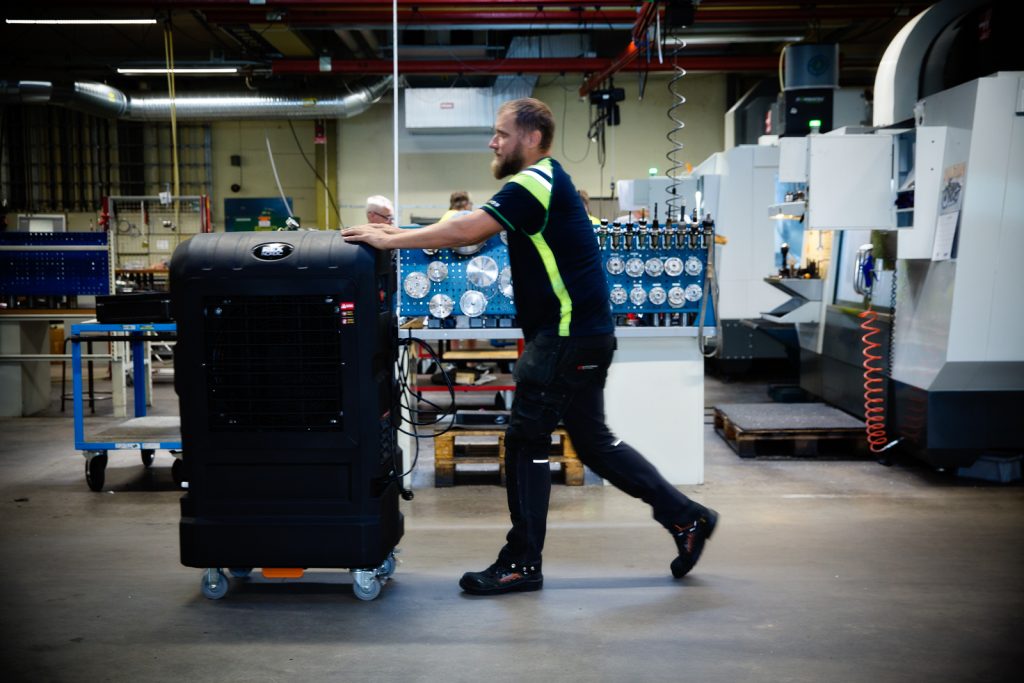
Evaporative coolers are an essential part of modern cooling technology, especially in industrial and other large-space cooling applications. Their advantages include energy efficiency and environmental friendliness compared to traditional air conditioning systems. This article examines the operating principle, applications, and benefits of evaporative coolers, as well as the technical aspects to consider when using them. Operating Principle of Evaporative Coolers Evaporative coolers utilize the evaporation process of water to cool the air effectively. This is based on a physical phenomenon where water evaporates and absorbs heat energy from the surrounding air, leading to a decrease in air temperature. Humidification and Heat Transfer Water evaporates when exposed to an airstream, and this process absorbs heat from the air, cooling it down. Coolers use special pads designed to maximize the surface area for water evaporation. These pads are often made of cellulose or plastic, which are hygroscopic and provide a large evaporative surface. Air flows through the pads via a fan, where it encounters water. The water evaporates, absorbing heat energy from the air, thus cooling it. Energy Consumption and Efficiency The energy consumption of evaporative coolers is significantly lower compared to traditional mechanical cooling systems because the process uses natural water evaporation and does not require substantial amounts of electrical energy. The efficiency of these systems depends on the ambient temperature and humidity. They work best in dry and hot conditions where the air’s moisture content is low, as this makes water evaporation most efficient. Operational Principle Adiabatic Cooling: Air is cooled through an adiabatic process where its temperature drops as it becomes humidified. This means that the air’s thermal energy is used for water evaporation without an external energy source. Ventilation and Pressure: In the cooler, air passes through the pads via a fan. The air flowing through the pads encounters moisture that evaporates and cools the air. The fan’s role is critical as it ensures sufficient airflow through the pads and guarantees uniform cooling. Water Circulation: In evaporative coolers, water circulates continuously. Water is pumped to the top of the pads, from where it flows down and evaporates due to the airstream. The recirculation system ensures even water distribution and optimizes the cooling process. Applications in Professional Use Evaporative coolers are widely used across various industries and other large-space cooling applications where efficient and cost-effective cooling is needed. Industrial Facilities Metal Industry: In hot factory halls where temperatures can rise extremely high, evaporative coolers provide an efficient cooling solution that helps keep the working environment tolerable and safe. Automotive Industry: Assembly lines and paint shops in car factories benefit from a cooler working environment, which improves worker efficiency and reduces errors. Food Industry: Evaporative coolers are ideal for cooling large storage and production areas where temperature control is critical to maintaining product quality. Data Centers Data centers require continuous and efficient cooling to prevent equipment from overheating. Evaporative coolers offer an energy-efficient alternative that can significantly reduce cooling costs in data centers. Using adiabatic cooling, data centers can also reduce their carbon footprint, which is increasingly important as environmental regulations tighten. Agriculture Greenhouses: Evaporative coolers help maintain optimal growing conditions, improving crop yields and growth rates. Cooler air reduces plant stress and enhances their resistance to diseases. Animal Shelters: Animal welfare improves in cooler conditions, leading to better health and productivity. This is especially important during the summer months when heat stress can negatively affect animal well-being. Advantages and Challenges Evaporative coolers offer many advantages. Advantages Energy Efficiency: Evaporative coolers use significantly less electrical energy compared to traditional cooling systems because they rely on the natural evaporation process. Environmental Friendliness: Since the system only uses water and air for cooling, its environmental impact is minimal, and the carbon footprint is small. This makes them an attractive option for organizations aiming to reduce their environmental impact. Cost Savings: Lower energy consumption and simple technology mean lower operating and maintenance costs compared to complex mechanical cooling systems. Technical Considerations and Design Portable evaporative coolers are highly convenient and flexible solutions for various professional cooling needs. Their technical design and use require special attention to the following aspects: Components and Materials Pads: The pads are the central part of the cooler responsible for water evaporation. They are often made of cellulose or plastic, providing a large evaporative surface and withstanding moisture and mechanical wear. Fans: Powerful fans ensure sufficient airflow through the pads. The performance of the fans directly affects the efficiency of the cooler. Water Systems: Water systems pump water to the top of the pads, from where it flows down and evaporates due to the airstream. The systems include filters and pumps that ensure water circulation and cleanliness. Device Placement Airflow Control: Optimal airflow and ventilation are essential to maximize cooling. Portable coolers should be placed to draw in as much dry and hot air as possible for the most effective evaporation. Water Source and Quality: A clean and adequate water source is vital for the system’s operation and longevity. Water quality affects the durability and efficiency of the pads and water systems. Considering Portability Durable Construction: Portable evaporative coolers must be durable and sturdy enough to be easily moved to different locations. This means strong frame materials and well-protected components. Practical Wheels: Large wheels enable easy movement of the device and are designed to withstand various floor materials and surfaces. Easy Connectivity: Coolers are easy to connect to electrical and water sources in different locations. They have practical connections and sufficiently long cables and hoses. Impact of UV Light UV light is used in evaporative coolers to improve water quality and prevent bacterial growth. Water Disinfection: UV light kills microorganisms and bacteria in the water, reducing biofilm and slime formation on the pads. This improves the system’s hygiene and reduces maintenance needs. Pad Cleanliness: UV light helps keep the pads free from biological impurities, enhancing their evaporative efficiency and extending their lifespan. Cost Savings: Using UV light reduces the need for chemical cleaning agents and improves the system’s
Efficient and Environmentally Friendly Cooling for Professional Use: REXNORDIC cooler
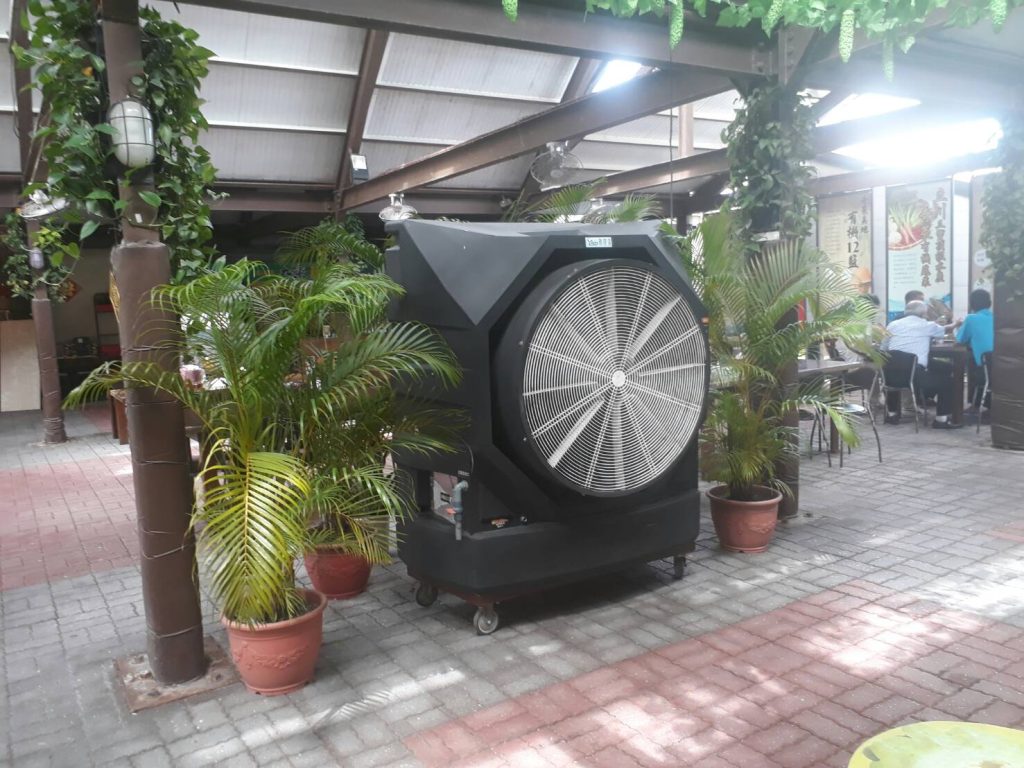
REXNORDIC evaporative coolers are excellent choices for professional use due to their efficiency, environmental friendliness, and low operating costs. This article discusses why an evaporative cooler is a good choice for professional use and where it can be used. Operating Principle of Evaporative Coolers Evaporative coolers operate on a simple yet effective principle: they use water evaporation to cool the air. As air passes through a wet filter, the water evaporates and absorbs heat from the air, lowering the air temperature. This process is highly energy-efficient as it consumes significantly less electricity than traditional air conditioning units. Benefits in Professional Use Energy Efficiency and Cost Savings: The Rex Nordic Ecocooler is a highly energy-efficient cooler. In professional environments where cooling is continuous, the energy savings can be significant, reducing overall costs. Environmental Friendliness: Unlike traditional air conditioners, evaporative coolers do not use environmentally harmful refrigerants. This makes them an ecologically sustainable option that reduces the carbon footprint. Ease of Use and Low Maintenance: The Rex Nordic Ecocooler is designed to be user-friendly and requires minimal maintenance. The device only needs regular cleaning and water refills, reducing downtime and maintenance costs. Improves Working Conditions: Evaporative coolers not only cool the air but also improve air quality by adding humidity. This is particularly beneficial in dry and dusty environments such as warehouses and industrial halls, where employee comfort and health can be significantly improved. Additionally, the Rex Nordic Ecocooler is equipped with built-in UV light that destroys all bacteria and viruses. Applications The Rex Nordic Ecocooler is suitable for various professional environments: Industrial Halls and Warehouses: Large and open spaces like industrial halls and warehouses benefit significantly from evaporative cooling. The Ecocooler can efficiently cool large areas, improving working conditions and increasing productivity. Construction Sites: On construction sites, working conditions can be challenging due to high temperatures and dust. An evaporative cooler can help keep the working area cooler and less dusty, enhancing worker comfort and safety. Agriculture and Greenhouses: Greenhouses and farms benefit from evaporative cooling as it helps maintain optimal temperature and humidity levels for the well-being of plants and animals. Events and Outdoor Spaces: At outdoor events such as festivals or sports events, evaporative coolers can provide comfort to large crowds. The Rex Nordic Ecocooler is portable and easy to install, making it an ideal solution for temporary cooling. Summary The Rex Nordic Ecocooler is an excellent choice for professional use due to its energy efficiency, environmental friendliness, ease of use, and versatile applications. Whether it’s an industrial hall, construction site, farm, or outdoor event, the Rex Nordic Ecocooler offers a reliable and cost-effective cooling solution that improves working conditions and reduces operating costs.