
Melting snow and ice with Airrex AH-800 heater
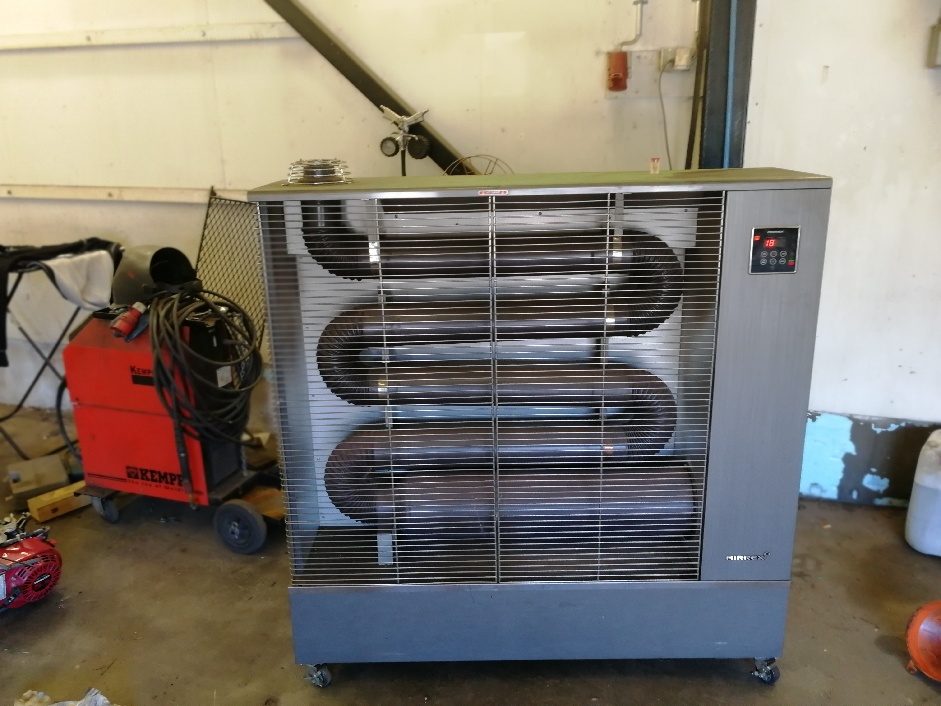
Founded in 1995, Amados Oy is specialised in the marketing and sales of machines related to construction, agriculture and property maintenance in Finland and Russia. The heater Airrex AH-800 was acquired to heat Amados’ workshop hall approximately 2.5 years ago, and it has been in heavy use ever since. Mikkeli-based Amados’ hall is 5–6 metres high and spans approximately 150 square metres, and various working machines are washed there throughout the year. At worst, half a metre of snow may pile up on top of vehicles such as wheel loaders and tractors in winter when they are driven to the hall for washing. “It only takes around three hours to deal with a large amount of snow and ice until it’s all melted away. The heater is in heavy use at that point, but it works superbly,” says Jari Ikonen from Amados. Previously, hot-air blowers were used for heating in Amados’ hall but, according to Ikonen, they were susceptible to becoming dirty. Airrex has no such issues. The diesel-powered infrared heater AH-800 is in continuous use at Amados in the cold season, and 800 litres of fuel is consumed annually. The heater is in heavy use, indeed. READ MORE ABOUT AH-800
Airrex AH-300 helped cut a garage’s costs significantly
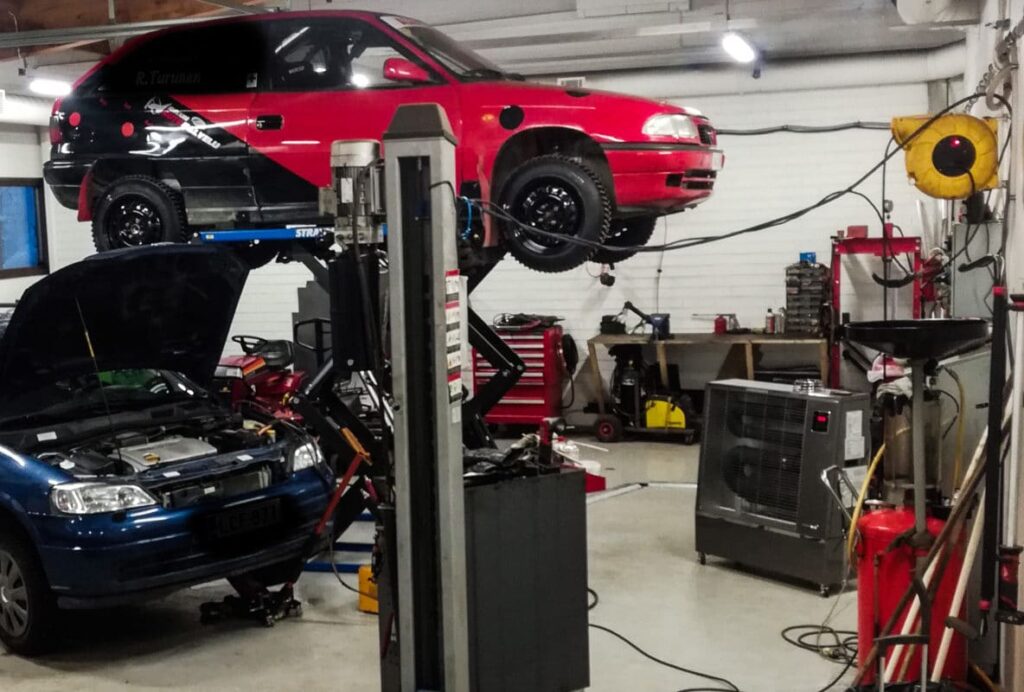
Two years ago, Riku Turunen from Kontiolahti was considering the heating costs of his industrial hall. It consumed a lot of power and the bills really reflected that. Things had to change in a sensible manner. Riku’s garage hall is 135 square metres in size, and the highest point of the roof is at four metres. The large roll-up doors are prone to waste heat, so the task was a challenging one. Airrex AH-300 was selected as the heating device. AH-300 is an almost odourless, diesel-powered infrared heater with a 100% efficiency that is very well suited for industrial halls such as Turunen’s garage. Practice showed instantly that Airrex was a great solution because the device was easy to use as well as cost-efficient. “I must say that over the past two years, I’ve noticed how reliable and easy this device is to use. It’s mainly been in one place, and I’ve had no need to do anything to it although I’m using it all the time.” Besides convenience, savings are playing an important role now. “Earlier, if a period of, say, three weeks incurred an expense of a little more than €680, now I’m only spending €370, fuel included. Annually, that’s quite a big sum of money,” Turunen ponders. Once again, all that was needed was one device to solve issues. Airrex AH-300 reduced heating costs, and Riku Turunen can now focus on the essential – conducting his business – without any worries. READ MORE ABOUT AIRREX AH-300
Terrace heater, hall heater and BBQ hut heater – Airrex AH-300
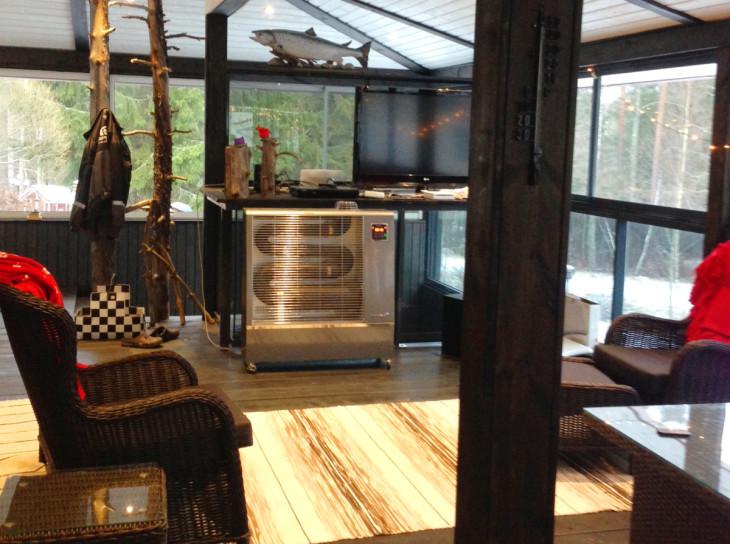
Harry Mäkelä has an impressive terrace in his house. Mäkelä uses his grill a lot in winter, so the Airrex infrared heater may be switched on from Friday until Saturday. “We used to use this duct-shaped fuel oil heater. We found its flame and blast slightly dangerous in terms of heating a BBQ hut constructed of log beams with a diameter of 20 cm. A few years ago, when my son acquired an infrared heater and put it by the door of a 200-square metre maintenance hall as a kind of an air curtain, I decided to get these devices for our personal use as well. In temperatures of 20 degrees below zero, we consume around one litre of oil per hour in the BBQ hut. The 2-storey terrace is 17 metres wide and 5 metres deep. One Airrex AH-300 heater is in the lower terrace and one is upstairs. When we had to start refuelling the old heater with fuel oil, the tank of the new heater, in comparison, remains almost half-full,” Mäkelä describes his experiences. In Mäkelä’s experience, an exhaust pipe is not necessary in a big terrace or even in a BBQ hut. The heater does not emit any smoke at all because the oil burns so cleanly. Switching off the heater only causes a small fizzling sound, after which you can smell fuel oil for a while. Mäkelä, however, reckons that the consumption and odour emissions of older Airrex infrared heaters could be reduced if at least their filters were replaced. The heaters have been used for 3–4 years without requiring any particular maintenance. “I can warmly recommend these heaters to everybody, I have been very satisfied with them,” Harry Mäkelä says, summing up his experience. READ MORE ABOUT DIESEL HEATERS
Flower friendly Airrex AH-300 infrared heater solves greenhouse heating problem
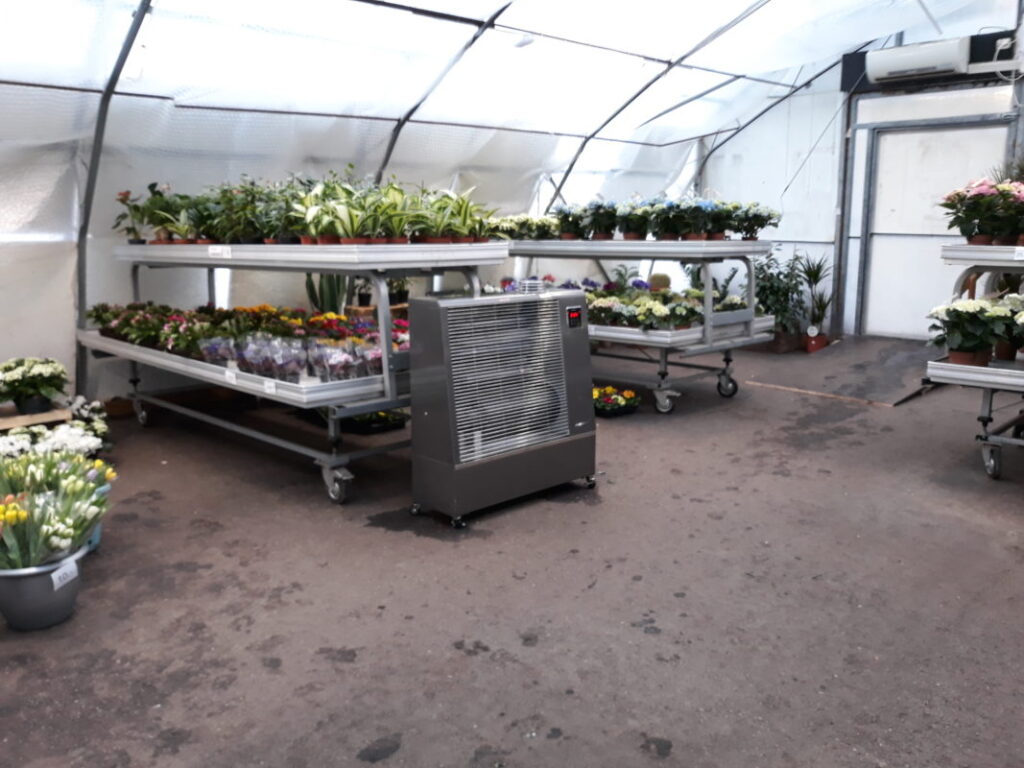
Three years ago, at the Munkkivuori Garden, it was considered how the premises would be kept warm and the flowers happy. The gas heater didn’t work, but the diesel-powered Airrex AH-300 was chosen as the right heating solution. The garden has a smaller store section and a larger greenhouse. The entire space is about 5 meters wide and 30 meters long. Initially, they purchased one heater, but very quickly they bought another to the store section. The product has been very easy to use and working perfectly. Now the company has even bought a third heater. – We have been very pleased with these infrared heaters. Two of them are constantly in use and the third is used when needed. On the greenhouse side, the heat is kept at just under ten degrees Celsius and then at the store again at 13-14 degrees Celsius, says store manager Aki Lahtinen. ”Cost-wise, I can say that Airrex is much cheaper than gas heaters” The AH-300 has a charm of comfort and the flowers are happy. The device is almost odorless and produces carbon dioxide, which is great in such an environment. The 15kW / h heating output is just optimal and the low fuel consumption has brought the desired cost efficiency. Workers do not have to worry about using the equipment, just refuel and let the heater do its job. – Yes, these are easy to use, all you have to do is refuel. In terms of cost, I can say that it is much cheaper than gas-fired heaters, says Lahtinen. The Airrex AH-300 has many things that make it easy to use in such spaces. It can be easily moved and does not require a separate exhaust pipe. It is almost odorless and does not make any noise. Infrared radiation heats the material instead of the air. No fan is needed so dust or other contaminants do not rise from the floor. All in all, the Garden has been very satisfied with Airrex heaters. The thermostat-controlled heater is set at the desired temperature and then everyone can concentrate on the essentials. Read more about AH-300
Airrex diesel heater – lasting warmth and proven savings
Good heating isn’t just about raw power – it’s about efficiency, comfort, and control. Airrex diesel infrared heaters have proven that steady warmth doesn’t have to mean high running costs. The following real-world examples show how Airrex keeps large workshops, warehouses and industrial spaces warm throughout the winter – while keeping fuel use impressively low. Proven results with infrared heating: only 2.5 litres per day Many people are surprised to discover how little fuel Airrex diesel heaters actually use. They are designed to heat spaces evenly and efficiently, without wasting energy where it isn’t needed. Grels Ström, a retired technical expert from Rex Nordic, uses an Airrex heater in his 480 m³ warehouse. The building has ceiling insulation, plasterboard walls, and a concrete floor – a structure that holds heat extremely well. Previously, the space was heated with direct electric heating, but switching to diesel has cut both consumption and costs dramatically. Ström explains: “At first, fuel use can be a little higher. It usually takes about a week or so for consumption to settle. Infrared heat is absorbed directly into the structures, and once they’re properly warm, surprisingly little fuel is needed to keep the temperature steady.” He maintains an indoor temperature of +15 °C even when it’s around 0 °C outside, and daily fuel consumption averages just 2.5 litres of diesel. His Airrex heater has run reliably without any issues or need for servicing. A brief period of higher consumption at the start is perfectly normal – the building materials often contain moisture that needs to dry out first. Once they’re dry, the system reaches maximum efficiency. This is where Airrex infrared technology excels: the heat is stored in the structure and released steadily back into the space. After that, only short heating cycles are needed to maintain comfort – and the savings are clearly reflected in the fuel bill. Smart thermostat keeps consumption under control Every Airrex infrared heater is equipped with an intelligent built-in thermostat that keeps fuel use to a minimum. The unit starts and stops automatically to maintain the desired temperature. Diesel is metered precisely – only as much as needed and not a drop more – which keeps consumption extremely low. In everyday use, the heater runs independently. Once the building’s structures are warm, the unit maintains a steady temperature with short operating cycles. There’s no need for constant adjustment – the thermostat does it all automatically. Unlike traditional fan heaters, Airrex units don’t blow hot air towards the ceiling or outside when doors open. Infrared heat is directed straight into walls, floors, and machinery, which absorb and store the warmth. As a result, energy use stays exceptionally low, and if a door is opened, the stored heat quickly restores the indoor temperature. Long-term savings with Airrex diesel heaters Markku Ojanen has experienced the same results first-hand. He heats a 360 m² insulated hall, three metres high, which used to rely on radiators and fan heaters. The old system consumed around 2,500 litres of oil each year. After switching to an Airrex AH-300 diesel heater, the difference was immediate. In the first winter alone, fuel use dropped to about 1,000 litres per year – less than half of what it was before. He keeps the hall at +9–10 °C, raising it to +13 °C while working. Over ten years, the savings have totalled around £8,500–£9,000, and the same heater is still operating flawlessly today. “Maintenance has always been done on time, but it’s never needed a single repair,” Ojanen says. “It just keeps running.” Sustainable warmth you can feel Airrex infrared heating works on a simple but powerful principle: instead of heating air, it radiates warmth directly into surrounding surfaces. Floors, walls and equipment absorb the heat – just like sunlight warms your skin on a cool day. Once these surfaces are warm, they release the heat evenly back into the room, creating a consistent indoor temperature. This stored warmth acts as a natural heat buffer, which keeps fuel consumption low after the first weeks of use. The heater only runs as much as is needed to maintain the balance. That’s the key difference between infrared and traditional fan heaters. Infrared heat doesn’t escape when doors open or air moves. The stored heat within the structure quickly restores the temperature, keeping warmth where it’s needed and savings ongoing. Site 1 – Warehouse Type: Warehouse 480 m³ Structure: Concrete floor, insulated ceiling, plasterboard walls Previous heating: Direct electric New solution: Airrex diesel infrared heater Maintained temperature: +15 °C in mild winter conditions Average daily fuel consumption: ~2.5 litres of diesel Maintenance: Reliable operation, almost no servicing required Savings: Considerably lower consumption compared with the previous system Site 2 – Industrial hall Type: Insulated hall 1 080 m³ (360 m², 3 m height) Previous system: Radiators + fan heaters Previous fuel use: ~2,500 litres of oil per year New solution: Airrex AH-300 diesel heater Current fuel use: ~1,000 litres per year Years in use: 10 years Estimated savings over 10 years: £8,500–£9,000 Reliability: Same unit still operating perfectly, no repairs needed
Forms
5-6.9.2023 Four Oaks Trade Show
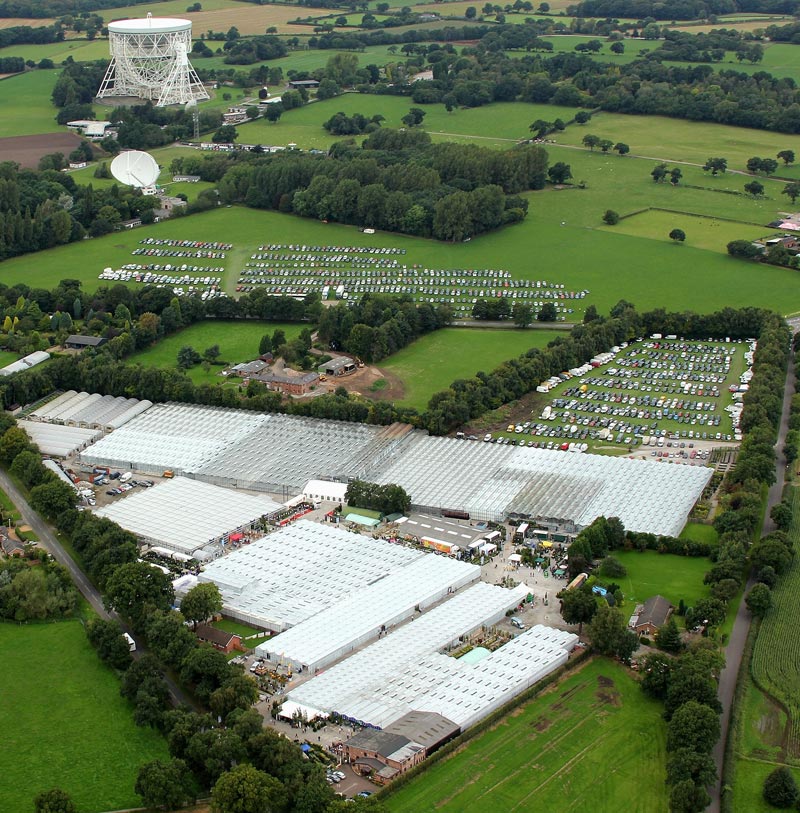
5.- 6. September 2023Macclesfield, UK Contact:Darren