
Terrace heater, hall heater and BBQ hut heater – Airrex AH-300
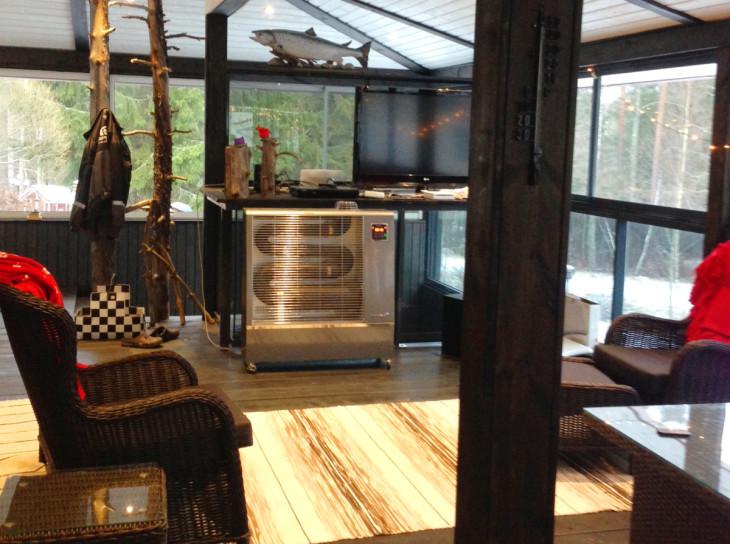
Harry Mäkelä has an impressive terrace in his house. Mäkelä uses his grill a lot in winter, so the Airrex infrared heater may be switched on from Friday until Saturday. “We used to use this duct-shaped fuel oil heater. We found its flame and blast slightly dangerous in terms of heating a BBQ hut constructed of log beams with a diameter of 20 cm. A few years ago, when my son acquired an infrared heater and put it by the door of a 200-square metre maintenance hall as a kind of an air curtain, I decided to get these devices for our personal use as well. In temperatures of 20 degrees below zero, we consume around one litre of oil per hour in the BBQ hut. The 2-storey terrace is 17 metres wide and 5 metres deep. One Airrex AH-300 heater is in the lower terrace and one is upstairs. When we had to start refuelling the old heater with fuel oil, the tank of the new heater, in comparison, remains almost half-full,” Mäkelä describes his experiences. In Mäkelä’s experience, an exhaust pipe is not necessary in a big terrace or even in a BBQ hut. The heater does not emit any smoke at all because the oil burns so cleanly. Switching off the heater only causes a small fizzling sound, after which you can smell fuel oil for a while. Mäkelä, however, reckons that the consumption and odour emissions of older Airrex infrared heaters could be reduced if at least their filters were replaced. The heaters have been used for 3–4 years without requiring any particular maintenance. “I can warmly recommend these heaters to everybody, I have been very satisfied with them,” Harry Mäkelä says, summing up his experience. READ MORE ABOUT DIESEL HEATERS
Airrex diesel heater – steady warmth and real savings
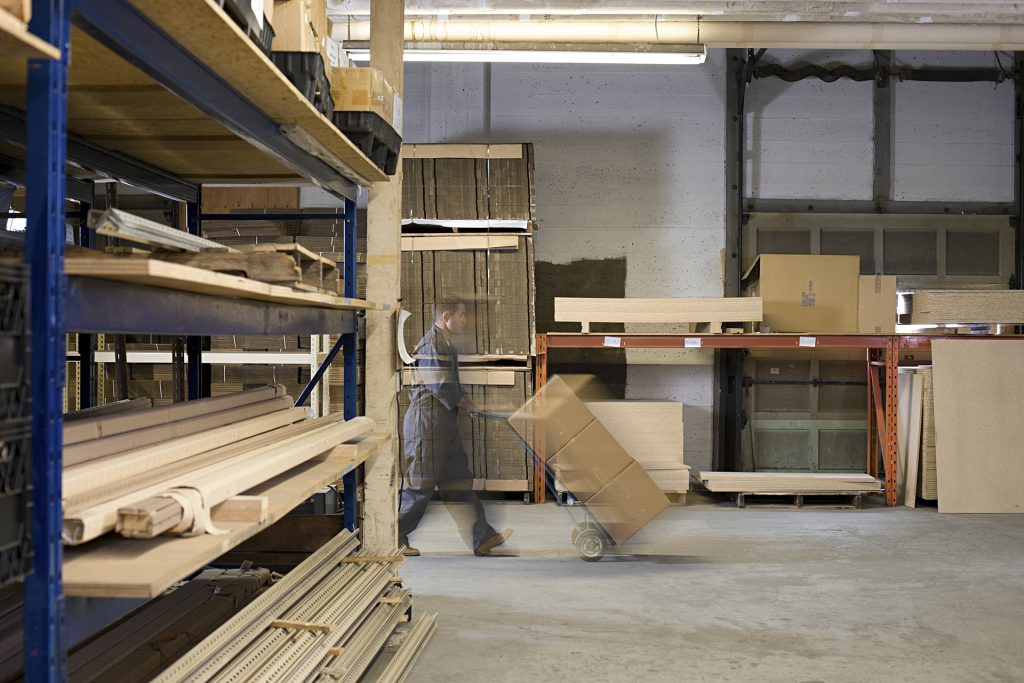
Good heating isn’t just about power. It’s also about cost efficiency – directing warmth exactly where it’s needed. Airrex diesel infrared heaters have proven in practice that consistent comfort doesn’t require high fuel consumption. The following examples show how Airrex heaters have helped keep heating costs in large industrial spaces under control – without compromising comfort. Proven results with infrared heating: only 2.5 litres per day Many are surprised to learn how little fuel Airrex diesel heaters actually consume. They’re designed to heat spaces effectively and evenly, without wasting energy where it isn’t needed. Grels Ström, a retired technical expert from Rex Nordic, uses an Airrex heater in his 480 m³ warehouse. The building has mineral wool insulation in the ceiling, plasterboard walls, and a concrete floor – a structure that stores heat efficiently. Previously, the warehouse was heated with direct electric heating, but switching to diesel brought a clear drop in both consumption and costs. Ström explains his experience: “At first, fuel consumption can be slightly higher. It usually takes about a week or a week and a half before it stabilises. Infrared heat is absorbed directly into the structures, and once they’re fully warmed, surprisingly little fuel is needed to maintain the temperature.” He keeps the warehouse at +15 °C when it’s around zero outside and has achieved remarkably low fuel consumption. Once the building is fully warm, daily consumption averages only about 2.5 litres of diesel. The Airrex heater has run reliably without problems and has required almost no maintenance. A slightly higher initial consumption is normal since building materials often contain moisture that must first dry out. Once dry, the system reaches its optimal efficiency. This is where Airrex infrared technology truly shines. The heat is stored within the structures and stays there. After that, only short heating cycles are needed to maintain a pleasant temperature day after day – and the savings show directly on the fuel bill. Smart thermostat keeps consumption low Every Airrex infrared heater comes with a built-in thermostat that helps minimise fuel consumption. The heater starts and stops automatically to maintain the desired temperature. Diesel is burned only when needed – and it’s metered precisely, no more than necessary, keeping consumption to a minimum. In practice, this means the heater works independently. Once the building’s structures have warmed up, the unit maintains the temperature with short operating intervals. There’s no need for constant adjustments – the thermostat does the work for you. Unlike traditional air-blowing heaters, Airrex units don’t push hot air to the ceiling or out the door when it’s opened. Infrared heat is directed straight into walls, floors, and machinery, which absorb and store it. As these structures retain heat, energy use remains exceptionally low. If a door is opened, the stored warmth quickly restores the indoor temperature. Long-term savings with Airrex diesel heaters Markku Ojanen has seen the difference first-hand. He heats a 1,080 m³ (360 m², 3 m high) insulated hall, which used to rely on radiators and fan heaters. The previous system consumed around 2,500 litres of oil per year. After installing an Airrex AH-300 diesel heater, the improvement was immediate. In the first winter alone, annual fuel use dropped to about 1,000 litres – less than half of the previous amount. He keeps the hall at a steady +9–10 °C, raising it to +13 °C while working. Over ten years of use, the savings have amounted to roughly €10,000–11,000, and the same heater continues to operate flawlessly. “Maintenance has been done on time, but no repairs have ever been needed,” Ojanen says. “It just keeps going.” Sustainable warmth you can feel Airrex infrared heating works on a simple yet powerful principle: instead of heating air, it radiates warmth directly into surrounding surfaces. Floors, walls, and objects absorb the heat – just like sunlight warms your skin. Once these surfaces are warm, they release heat evenly back into the air, maintaining a consistent indoor temperature. This stored warmth acts as a natural heat buffer, keeping fuel consumption low after the first weeks. The heater runs only as much as needed to maintain balance. That’s the key difference between infrared and traditional fan heaters. Infrared heat doesn’t escape when doors open or air circulates. The stored warmth in the structures quickly restores the temperature, keeping the heat where it’s needed and the savings ongoing. Site 1 – Warehouse Type: Warehouse 480 m³ Structure: Concrete floor, ceiling insulation, plasterboard walls Previous heating: Direct electric New solution: Airrex diesel infrared heater Maintained temperature: +15 °C in around 0 °C outdoor conditions Average daily fuel consumption: ~2.5 L diesel Maintenance: Reliable operation, almost no maintenance required Savings: Significantly lower consumption than the previous system Site 2 – Industrial hall Type: Insulated hall 1 080 m³ (360 m², 3 m height) Previous system: Radiators + fan heaters Previous fuel use: ~2,500 L oil/year New solution: Airrex AH-300 diesel heater Current fuel use: ~1,000 L/year Usage time: 10 years Estimated savings over 10 years: ~€10,000–11,000 Reliability: Same heater still running flawlessly, no repairs needed
Warmth that stays – Airrex heater keeps the workshop comfortable all winter
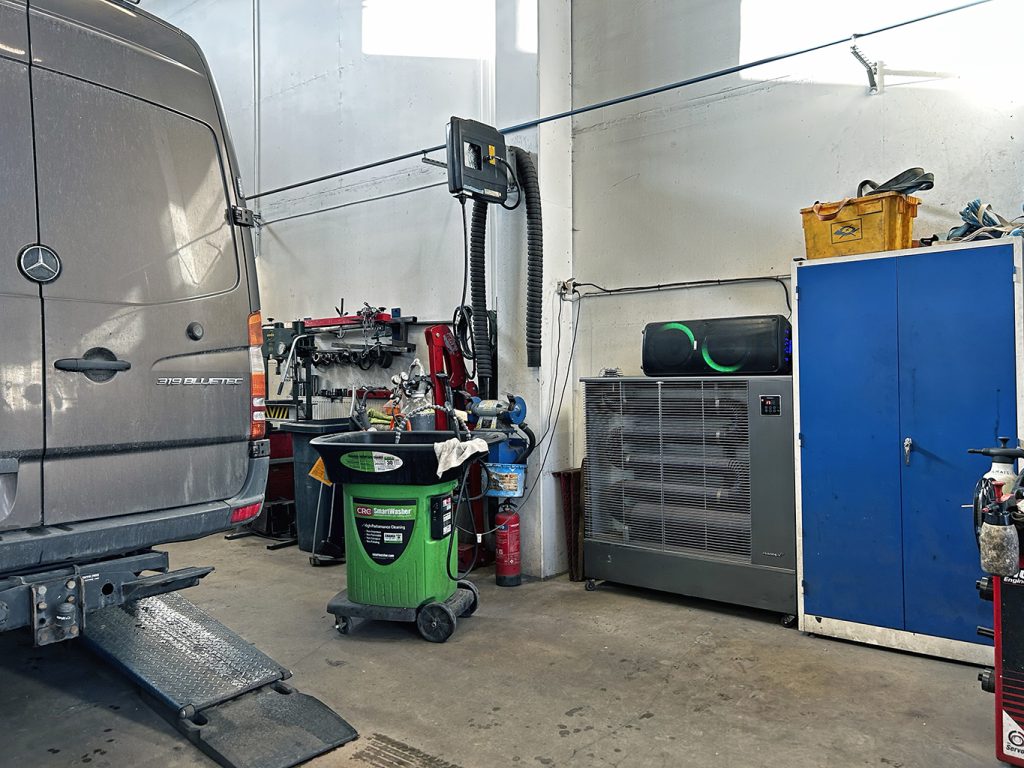
A 244 m² car repair workshop with six-meter-high ceilings is not the easiest space to keep warm during Finnish winters. Concrete walls, a partially insulated sheet-metal roof, and a frequently opened overhead door allow heat to escape easily. Thanks to the Airrex diesel space heater, the hall maintains a steady temperature of +16–17 °C throughout the winter. Janne Mukkala, owner of JM-Konehuolto Oy from Finland, has been using the Airrex heater for six years – and wouldn’t switch to anything else. “The heater has worked flawlessly. It starts automatically when the door has been open and the temperature drops, and it quickly brings the warmth back. Reliability is what I value most.” A fuel-powered heater that supports district heating in freezing weather Before installing the Airrex, the workshop’s temperature fluctuated constantly during the winter. District heating alone wasn’t enough to keep the workspace comfortable, especially when the overhead doors were opened in sub-zero conditions. The Airrex diesel space heater provided the extra boost that was missing. “Now we can open the door as often as needed without losing the indoor warmth,” says Mukkala. “Airrex works as a fuel-powered supplementary heater that reacts quickly to temperature changes and supports the district heating system.” An energy-efficient heater like Airrex is an excellent choice for garages or workshops where efficient, odorless heat is needed without complicated installation. At JM-Konehuolto, the unit is used daily throughout the winter season, sometimes even overnight. Airrex – easy to use and built to last The Airrex infrared heater has been operating in the workshop for six years without a single service need. “I’ve never had to do anything to it – it just works.” Thanks to its advanced oil burner technology and simple design, Airrex is nearly maintenance-free. The heater operates quietly and odorlessly, without smoke or fumes inside the building. We still recommend replacing the annual service kit to maintain optimal performance and energy efficiency year after year. A satisfied user – warm workshop, minimal effort Simple, reliable, and economical – that’s how many Rex Nordic customers describe the Airrex infrared heaters. “It has been the most reliable heating solution we’ve ever had,” says Mukkala. Airrex perfectly complements district heating and keeps the workshop warm all winter long, even though insulation isn’t perfect and the doors are opened frequently. Who is the Airrex diesel space heater for? The Airrex diesel space heater is ideal for garages, repair shops, warehouses, and workshops – any space that requires efficient heating and ease of use. Thanks to its mobility, the unit can be easily moved wherever warmth is needed. The fuel-powered heater also performs reliably in locations where electrical power is limited or traditional heaters fall short. Facts: JM-Konehuolto Oy, Finland Type of business: Car repair workshopFacility size: 244 m² | Height 6 mStructure: Concrete walls and floor, partially insulated metal roofHeating solution: District heating + Airrex AH-800i diesel space heaterUsage: Daily during winter, occasionally overnightIn operation: 6 years | No maintenance requiredMaintained temperature: +16–17 °C